
- Home page
- buying guide
- feed additive
feed additive
feed additive: A technical guide
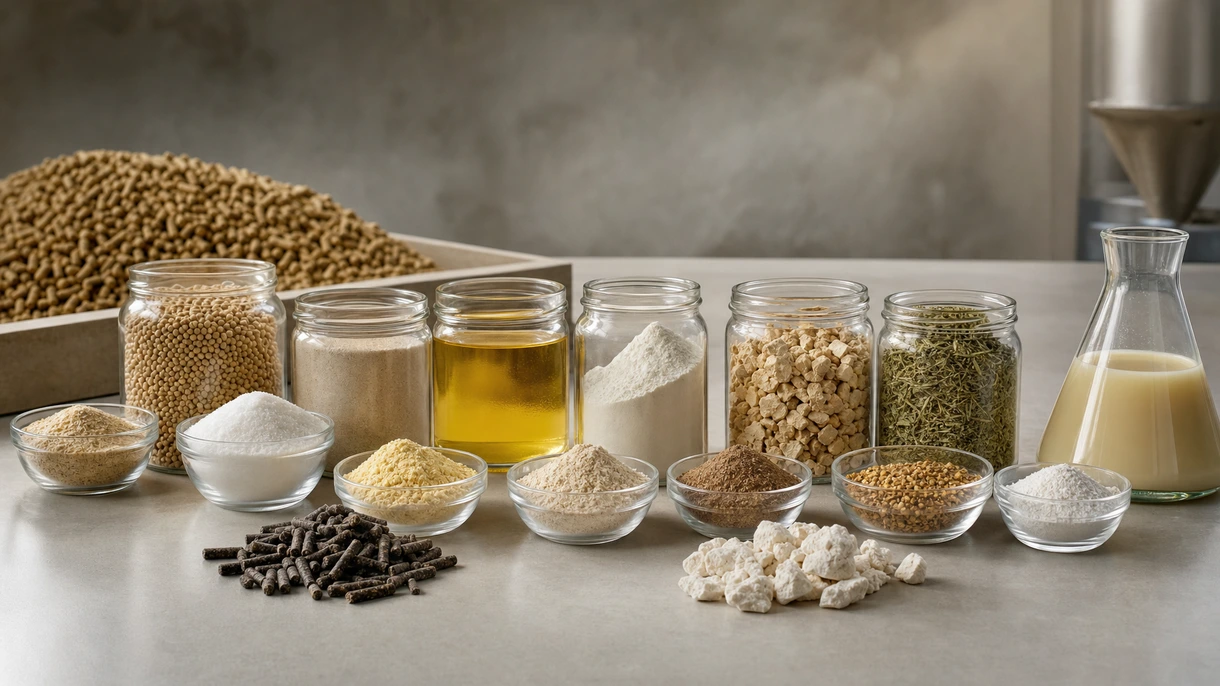
4 Criteria to choose your feed additive
Bioavailability and absorption rate
High nutrient uptake efficiency reduces waste and lowers feed conversion ratios, ensuring optimal animal growth and overall health performance.
Regulatory and safety compliance
Full adherence to EFSA or FDA standards ensures market access and prevents costly recalls due to unauthorized substance contamination.
Mixing stability and homogeneity
Uniform particle size distribution prevents segregation during transport, ensuring every animal receives the precise dosage for consistent weight gain.
Measurable return on investment
Proven performance data must demonstrate that the cost per ton is offset by increased yields or reduced mortality rates.
Available technologies and advantages
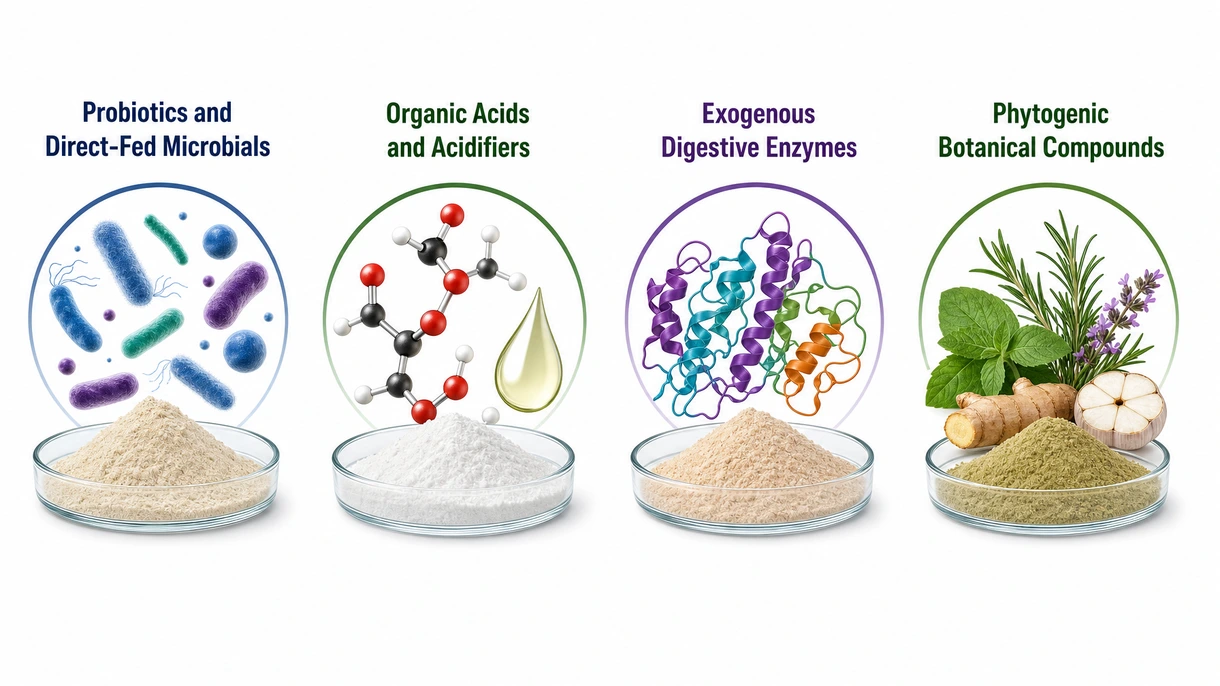
Probiotics and Direct-Fed Microbials
These microbial supplements stabilize intestinal microflora to enhance immunity. Unlike traditional antibiotics, they support natural growth but require specific climate-controlled storage conditions to maintain efficacy. Advantages include improved gut health and pathogen exclusion. Limitations involve short shelf life. Trade-offs require balancing live-culture viability against increased cold-chain logistical expenses.
Organic Acids and Acidifiers
These compounds lower gastric pH to inhibit pathogen proliferation. They improve hygiene more effectively than simple minerals but risk corrosion in automated metal feeding equipment. Advantages include broad antimicrobial action. Limitations involve potential hardware damage. Trade-offs involve choosing between lower input costs and long-term equipment maintenance requirements.
Exogenous Digestive Enzymes
These proteins degrade anti-nutritional factors found in cereal grains. They offer superior nutrient release compared to raw feed alternatives but are highly sensitive to manufacturing heat. Advantages include optimized feed conversion. Limitations involve thermal instability. Trade-offs necessitate high-precision post-pelleting application systems to maintain active enzyme concentrations.
Phytogenic Botanical Compounds
These plant-derived extracts provide antioxidant and anti-inflammatory benefits. They offer natural growth promotion alternatives to chemical additives, although potency varies significantly between different botanical harvest batches. Advantages include high consumer acceptance. Limitations include chemical variability. Trade-offs involve prioritizing natural marketing claims over the absolute consistency of synthetic growth promoters.
6 expert tips
Prioritize additives with peer-reviewed trial data to confirm significant improvements in feed conversion ratios under specific commercial environments.
Audit manufacturer batch-tracking protocols to ensure full traceability and rapid isolation of potential contaminants within the supply chain.
Evaluate the thermal stability of active ingredients to ensure potency remains intact after high-temperature pelleting or extrusion processes.
Request detailed solubility reports for water-delivered additives to prevent clogging in automated liquid feeding systems and nozzle hardware.
Select concentrated formulations to reduce logistics costs and storage footprint while maintaining precise dosing through calibrated micro-ingredient systems.
Always verify the technical certification to ensure compliance with local building safety standards and long-term durability.
Innovations and Trends
These systems protect sensitive nutrients from rumen degradation, ensuring targeted release in the lower intestinal tract.
These extracts significantly lower enteric emissions, helping livestock producers meet tightening European Union carbon neutrality targets.
These tools allow farmers to tailor enzyme applications based on the real-time gut health profiles of herds.
These provide sustainable amino acid sources that bypass traditional soybean price volatility and global supply risks.
*Prices are pre-tax. They exclude delivery charges and customs duties and do not include additional charges for installation or activation options. Prices are indicative only and may vary by country, with changes to the cost of raw materials and exchange rates.
About AgriExpo
AgriExpo is a marketplace that offers B2B players a complete experience, from product sourcing to purchase. AgriExpo is an entity of VirtualExpo Group.
Are you a buyer?
Are you a supplier?