
- Home page
- buying guide
- band sawmill
band sawmill
band sawmill: A technical guide
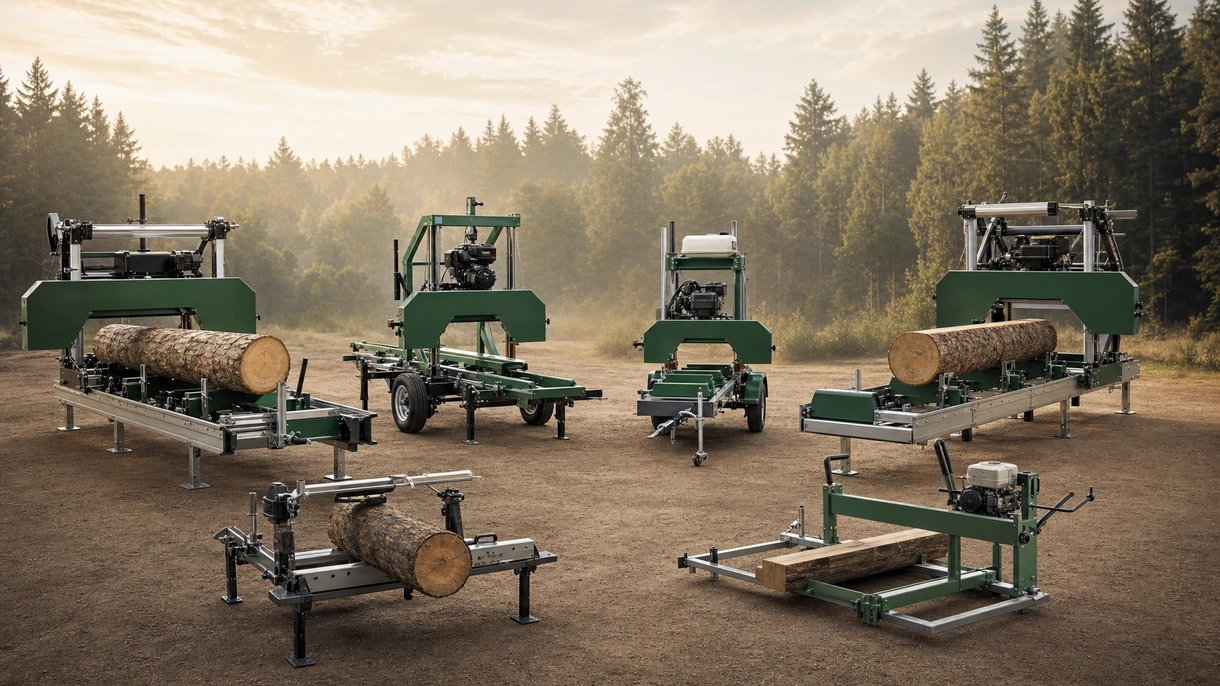
4 Criteria to choose your band sawmill
Log diameter capacity
Determines the maximum tree size the mill can process, directly impacting material versatility and operational revenue potential.
Cutting speed efficiency
Higher feet-per-minute rates reduce labor costs per board foot, essential for high-volume commercial farm production and profitability.
Blade kerf thickness
Thin-kerf technology minimizes sawdust waste, maximizing the yield of usable lumber from expensive hardwoods or farm-grown timber.
Power source reliability
Gas, diesel, or electric options dictate mobility and operational costs based on farm infrastructure and remote forestry access.
Available technologies and advantages
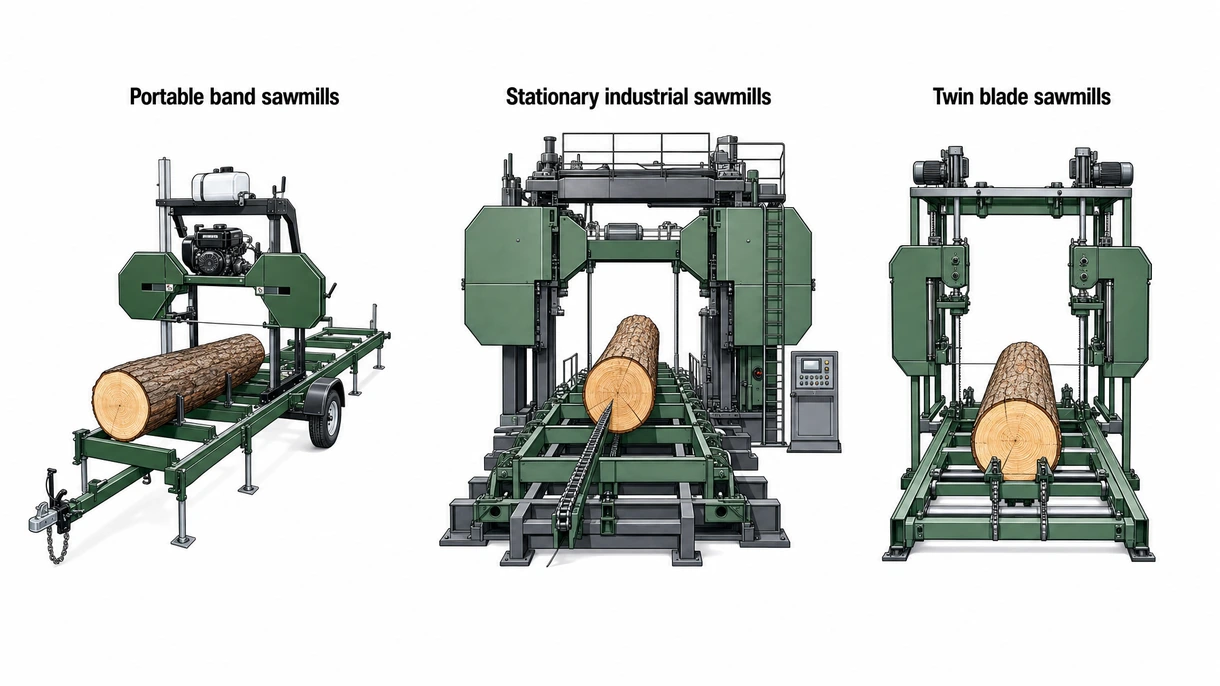
Portable band sawmills
These mobile units feature lightweight frames and integrated trailers, allowing for on-site timber processing in remote woodlots or diverse farm locations. Mobility reduces log transport costs significantly, but these machines typically offer lower throughput and manual log handling limitations compared to industrial units.
Stationary industrial sawmills
Heavy-duty steel structures and high-horsepower engines provide the stability required for continuous high-volume board production in permanent farm yard installations. These systems maximize precision and speed through automated hydraulics, yet they require substantial infrastructure investment and lack any operational site flexibility.
Twin blade sawmills
Utilizing two blades simultaneously, these systems are engineered for primary breakdown of small diameter logs to increase speed in commercial operations. Dual-blade configurations drastically improve cycle times for standardized lumber, though they increase maintenance complexity and require higher power consumption per hour.
6 expert tips
Prioritize wide-throat hydraulic log handling systems to reduce manual labor hours and minimize occupational injuries during heavy timber processing.
Select thin-kerf blade systems to increase lumber recovery rates by ten percent compared to traditional circular saw milling operations.
Invest in electronic setworks to ensure consistent board thickness accuracy while significantly reducing operator fatigue and expensive material waste.
Choose diesel engines over gasoline for heavy-duty professional use to benefit from superior torque and lower long-term fuel costs.
Evaluate the trailer package stability to ensure safe transport across rugged farm terrain and compliance with road transport regulations.
Verify the technical certification to ensure compliance with local building safety standards and long-term durability.
Innovations and Trends
New systems integrate digital scaling to optimize cutting patterns automatically, significantly increasing yield and professional processing speed.
Shifting toward battery-assisted engines reduces carbon footprints on eco-certified farms while maintaining high torque for dense hardwood milling.
Real-time blade tension and temperature sensors prevent premature failure, reducing downtime and maintenance costs in professional forestry environments.
Cloud-connected sawmills allow farm managers to track production metrics and maintenance schedules remotely, improving fleet management and logistics.
*Prices are pre-tax. They exclude delivery charges and customs duties and do not include additional charges for installation or activation options. Prices are indicative only and may vary by country, with changes to the cost of raw materials and exchange rates.
About AgriExpo
AgriExpo is a marketplace that offers B2B players a complete experience, from product sourcing to purchase. AgriExpo is an entity of VirtualExpo Group.
Are you a buyer?
Are you a supplier?