
- Home page
- buying guide
- stimulate appetite feed supplement
stimulate appetite feed supplement
stimulate appetite feed supplement: A technical guide
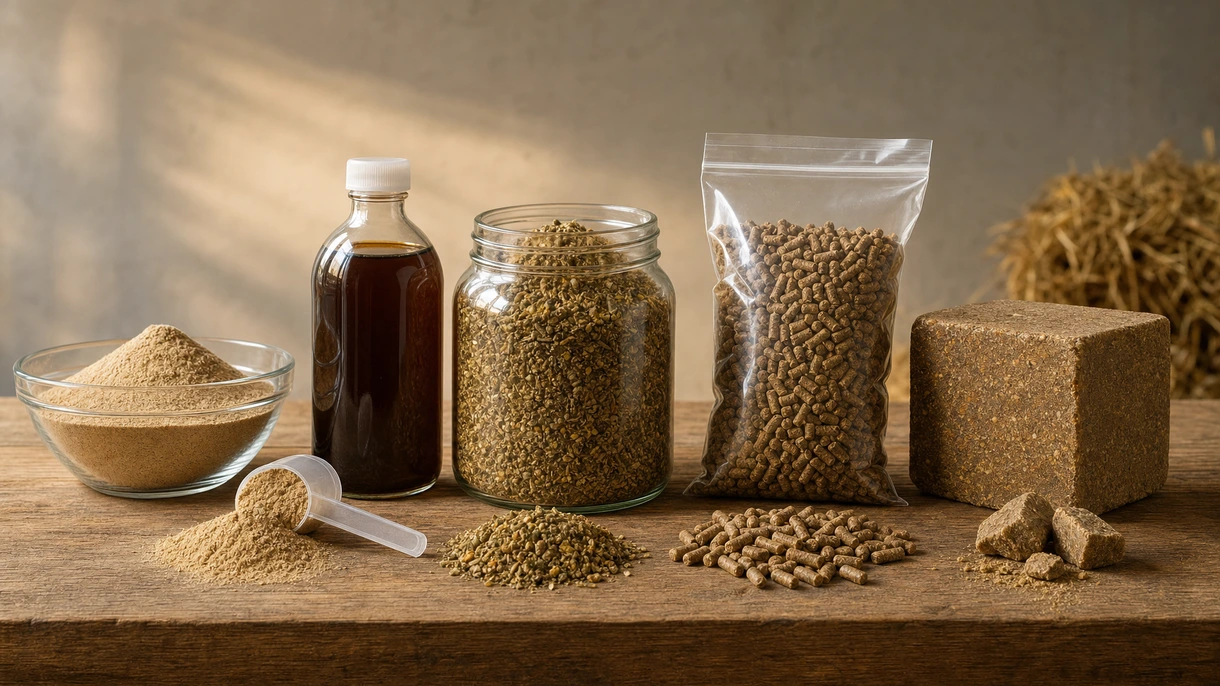
4 Criteria to choose your stimulate appetite feed supplement
Bioavailability of active ingredients.
High absorption ensures rapid metabolic response during critical transition periods or heat stress recovery phases.
Palatability and odor masking.
Essential for ensuring intake in sick animals or high-yield herds where traditional feed consumption typically declines significantly.
Regulatory compliance certifications.
Strict adherence to EFSA or FDA standards prevents cross-contamination and ensures safety within global food supply chains.
Ease of ration integration.
Homogeneous mixing capabilities prevent ingredient sorting and ensure consistent dosage across the entire livestock group or pen.
Available technologies and advantages
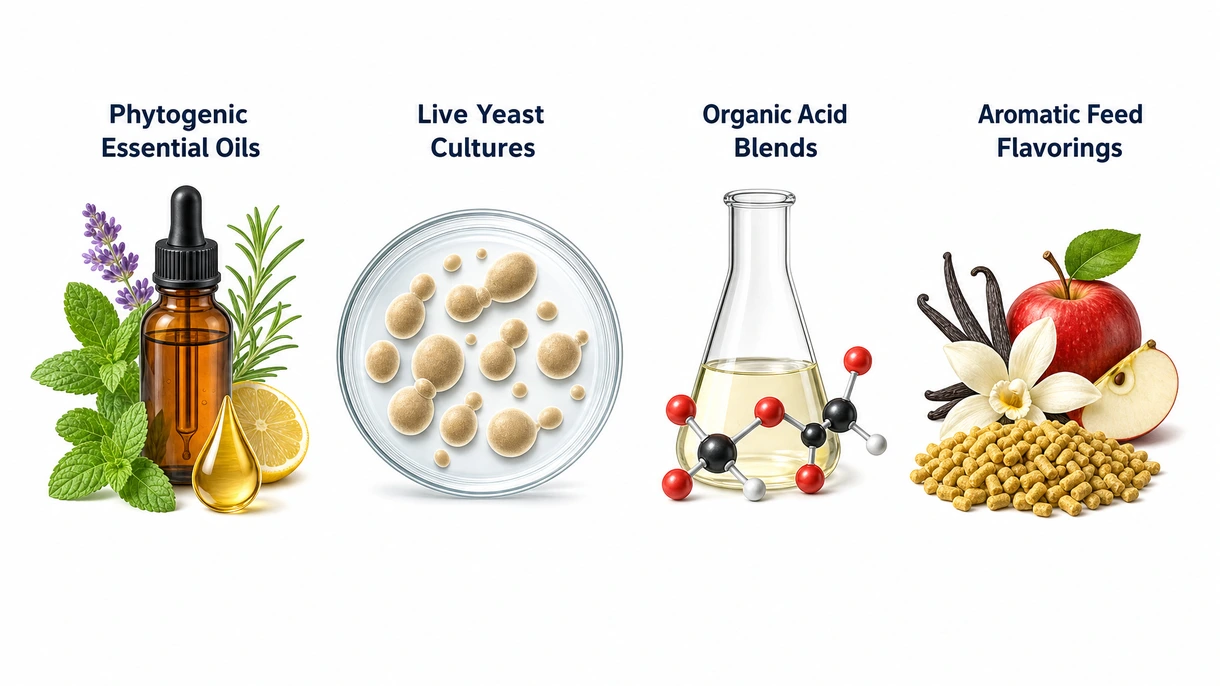
Phytogenic Essential Oils.
These compounds utilize plant-derived secondary metabolites to stimulate sensory receptors and digestive enzyme secretion, thereby significantly improving overall nutrient uptake. Benefits include natural antimicrobial effects, while volatility requires encapsulation, creating a trade-off between potency and the total product investment.
Live Yeast Cultures.
Targeted strains stabilize rumen pH and promote beneficial microflora growth to enhance fermentation efficiency, resulting in superior dry matter intake levels. High metabolic performance is the main advantage, yet heat sensitivity limits pelleting options, requiring trade-offs in manufacturing processes.
Organic Acid Blends.
Acidifiers lower gastrointestinal pH to inhibit harmful pathogens while simultaneously enhancing the solubility and absorption of essential dietary macro-minerals. These provide excellent pathogen control and shelf-life, but their corrosive nature demands specialized handling equipment and higher maintenance budgets.
Aromatic Feed Flavorings.
Synthetic or natural flavor enhancers mimic preferred feed smells to effectively overcome transition stress or low-quality forage palatability issues. They offer a low-cost solution for immediate intake, but lack direct nutritional value, forcing a trade-off between palatability and metabolic efficiency.
6 expert tips
Prioritize supplements featuring micro-encapsulation to ensure active ingredients bypass the rumen and reach the lower intestine effectively.
Evaluate the cost per gram of active ingredient rather than the total bag price to determine true ROI.
Select products with documented clinical trials proving significant increases in dry matter intake for high-producing dairy or beef.
Confirm the additive's compatibility with existing automated feeding systems to prevent clogging or uneven distribution during delivery.
Request detailed stability data to guarantee potency remains consistent during storage in humid or high-temperature farm environments.
Always verify the technical certification to ensure compliance with local building safety standards and long-term durability.
Innovations and Trends
Precision delivery via smart troughs uses sensors to trigger liquid appetite stimulants based on individual animal behavior.
Next-generation postbiotics utilize inanimate microorganisms to trigger immune responses and stabilize appetite during extreme climate events.
European Union bans on certain synthetic aromas drive development of standardized botanical extracts with measurable sensory profiles.
Digital twins for livestock nutrition model real-time intake data to adjust supplement dosage through automated batch mixers.
*Prices are pre-tax. They exclude delivery charges and customs duties and do not include additional charges for installation or activation options. Prices are indicative only and may vary by country, with changes to the cost of raw materials and exchange rates.
About AgriExpo
AgriExpo is a marketplace that offers B2B players a complete experience, from product sourcing to purchase. AgriExpo is an entity of VirtualExpo Group.
Are you a buyer?
Are you a supplier?