
- Home page
- buying guide
- organic fertilizer
organic fertilizer
organic fertilizer: A technical guide
4 Criteria to choose your organic fertilizer
Nutrient density and NPK
High concentrations reduce logistics costs and storage requirements while ensuring precise crop nutrition during critical seasonal growth stages.
Nitrogen mineralization speed
Understanding breakdown rates allows for synchronizing nutrient release with plant demand, preventing leaching while maximizing seasonal nutrient bioavailability.
Certified safety standards
Verification of pathogen elimination and heavy metal limits ensures compliance with food safety regulations and prevents soil contamination risks.
Pellet physical integrity
Uniform shape and hardness prevent dust formation and ensure accurate distribution through mechanical spreaders without clogging high-tech machinery.
Available technologies and advantages
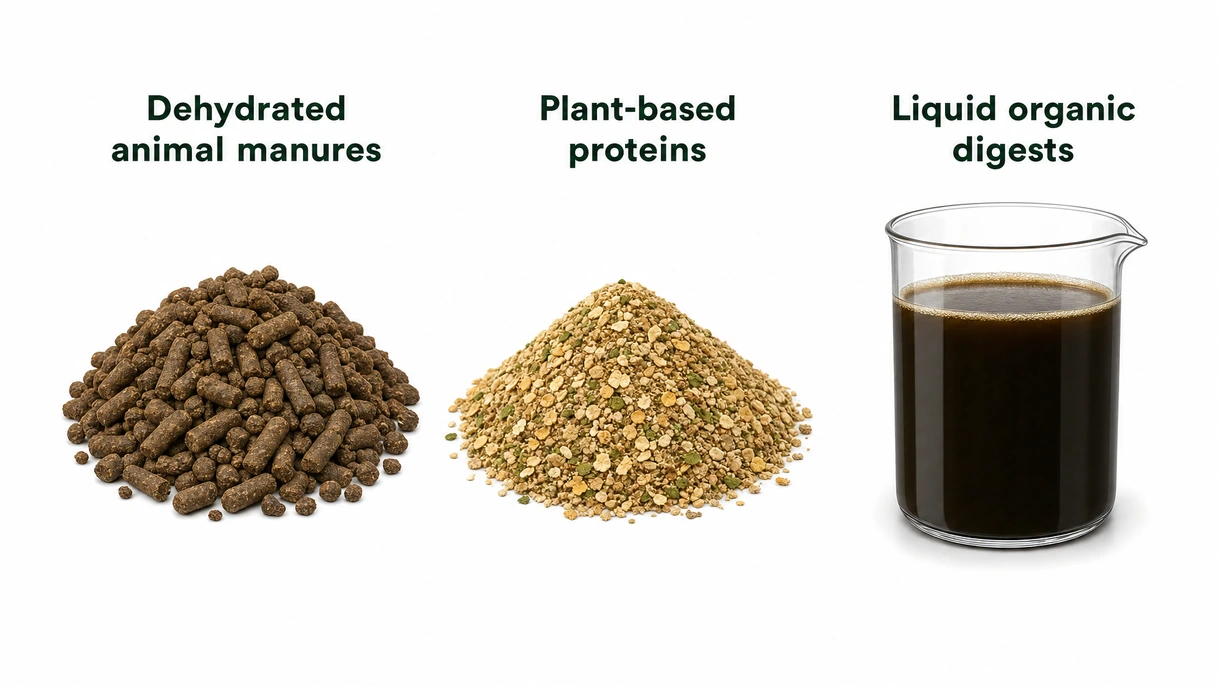
Dehydrated animal manures
These provide high organic matter content for soil health. They offer slow-release nitrogen but require significant logistics for effective large-scale field application.
Plant-based proteins
Derived from soy or corn, these offer consistent amino acid profiles. They mineralize quickly but often command higher price points in professional markets.
Liquid organic digests
Concentrated fluids from anaerobic digestion enable fertigation integration. These demand specialized storage and filtration to prevent sedimentation and equipment clogs.
6 expert tips
Prioritize high carbon-to-nitrogen ratios to improve long-term soil health and moisture retention capabilities across diverse agricultural production landscapes.
Conduct batch-specific laboratory analysis to confirm precise nutrient levels before calibrating large-scale mechanical spreading equipment for field applications.
Source products from facilities with documented heat-treatment processes to eliminate weed seeds and harmful soil-borne pathogens effectively.
Calculate the total cost per unit of active nutrient rather than price per ton to evaluate true ROI.
Negotiate volume-based contracts during the off-season to mitigate price volatility and secure supply chain stability for intensive farming.
Always verify the technical certification to ensure compliance with local building safety standards and long-term durability.
Innovations and Trends
Allow for targeted placement using GPS-guided systems to reduce waste and maximize nutrient uptake effectively.
Integrate beneficial bacteria that accelerate mineralization and improve plant resilience against environmental stress and drought.
Control nutrient release timing to match specific crop phenological stages and comply with strict nitrate directives.
Identifies low-fertility zones for optimized organic fertilization to improve yield across heterogeneous field plots.
*Prices are pre-tax. They exclude delivery charges and customs duties and do not include additional charges for installation or activation options. Prices are indicative only and may vary by country, with changes to the cost of raw materials and exchange rates.
About AgriExpo
AgriExpo is a marketplace that offers B2B players a complete experience, from product sourcing to purchase. AgriExpo is an entity of VirtualExpo Group.
Are you a buyer?
Are you a supplier?