
- Home page
- buying guide
- insect netting
insect netting
insect netting: A technical guide
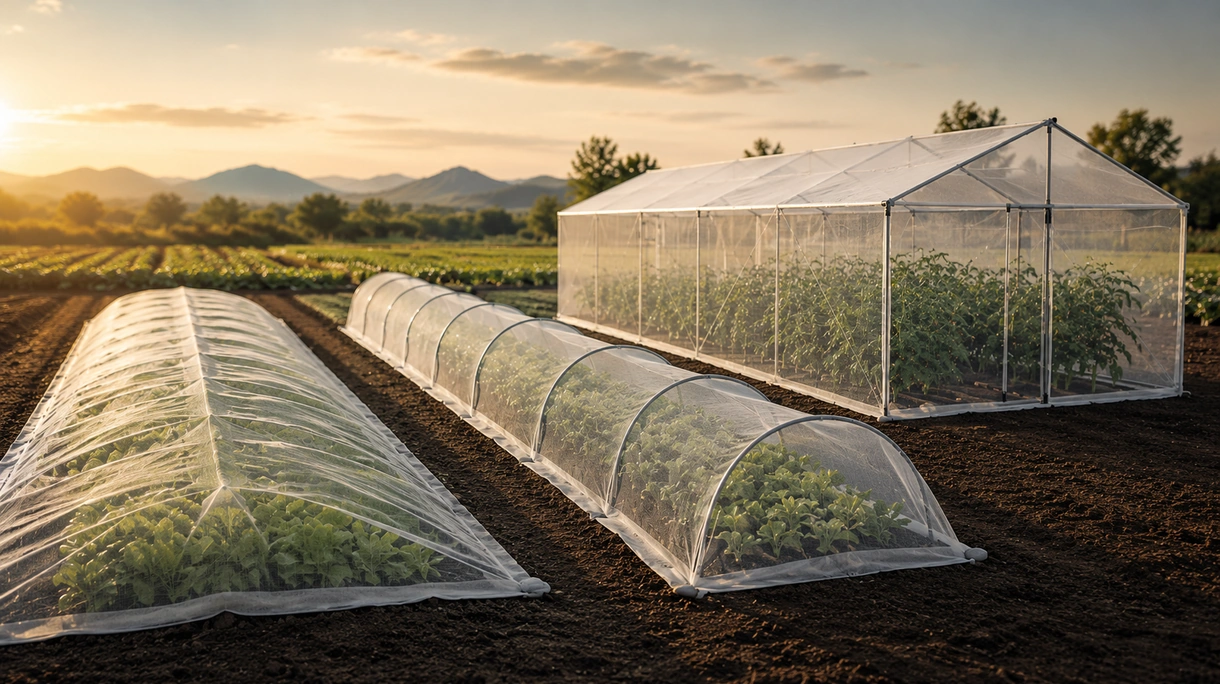
4 Criteria to choose your insect netting
Mesh Size Specification
Mesh aperture determines target pest exclusion versus airflow capacity and light transmission efficiency in high-density crop environments.
UV Stabilization Rating
Determines material lifespan under high solar radiation; standard multi-year warranties require high radiation resistance levels for longevity.
Mechanical Burst Strength
Critical for structural integrity against hail, high winds, and tensioning stress in permanent greenhouse or orchard canopy installations.
Light Diffusion Properties
Advanced weaves optimize photosynthesis by scattering direct sunlight, preventing crop scorch while maintaining consistent internal growth temperatures.
Available technologies and advantages
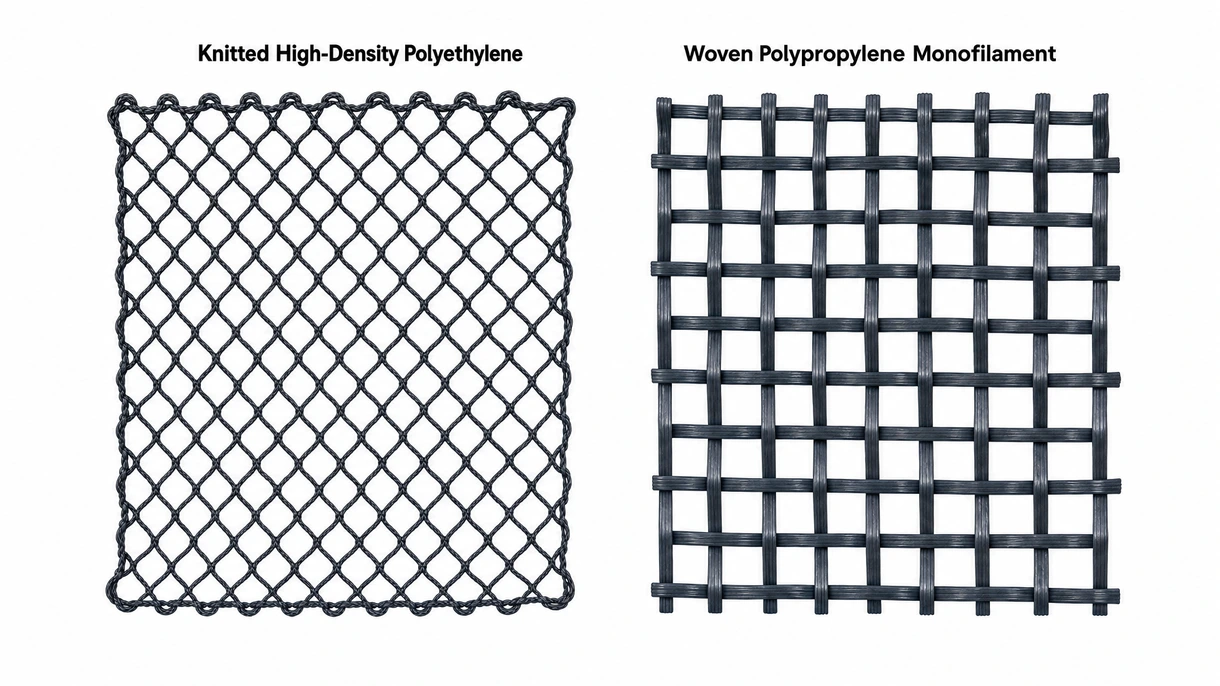
Knitted High-Density Polyethylene
These nets offer superior flexibility and ladder resistance compared to woven types, making them the preferred choice for draped orchard applications where canopy contact is frequent.
Knitted High-Density Polyethylene
Elasticity allows for easy installation over uneven canopies, but lower dimensional stability can lead to mesh deformation and reduced exclusion reliability over time.
Woven Polypropylene Monofilament
Precision weaving ensures exact hole dimensions required for excluding tiny pests like thrips or whiteflies in high-value horticulture and professional seed production environments.
Woven Polypropylene Monofilament
Excellent longevity and structural stiffness provide reliable protection, although reduced airflow increases humidity risks and potentially elevates fungal pressure inside the enclosure.
6 expert tips
Prioritize mesh apertures verified against specific regional pest phenotypes to ensure complete exclusion and prevent costly infestation breakthroughs.
Evaluate the cost-to-lifespan ratio by selecting high radiation stabilized polymers that resist degradation in extreme solar conditions.
Select reinforced selvedge edges to prevent tearing at attachment points during mechanical tensioning in permanent structure installations.
Optimize shade percentages by choosing white or transparent yarns that maintain high photosynthetic active radiation for crop growth.
Invest in wider roll widths to minimize seams and labor costs during large-scale field or greenhouse deployment phases.
Always verify the technical certification to ensure compliance with local building safety standards and long-term durability.
Innovations and Trends
Developing insect nets from renewable starch-based resins to eliminate plastic waste and disposal costs after the harvest season.
Utilizing specific chromatic frequencies to disrupt pest visual navigation while simultaneously enhancing specific plant growth physiological responses.
Integrating natural aromatic compounds directly into the fiber matrix to provide a secondary chemical barrier against target insects.
Advanced seam technology replacing traditional stitching to ensure zero gap integrity and higher tensile strength across net joints.
*Prices are pre-tax. They exclude delivery charges and customs duties and do not include additional charges for installation or activation options. Prices are indicative only and may vary by country, with changes to the cost of raw materials and exchange rates.
About AgriExpo
AgriExpo is a marketplace that offers B2B players a complete experience, from product sourcing to purchase. AgriExpo is an entity of VirtualExpo Group.
Are you a buyer?
Are you a supplier?