
- Home page
- buying guide
- grain analyzer
grain analyzer
grain analyzer: A technical guide
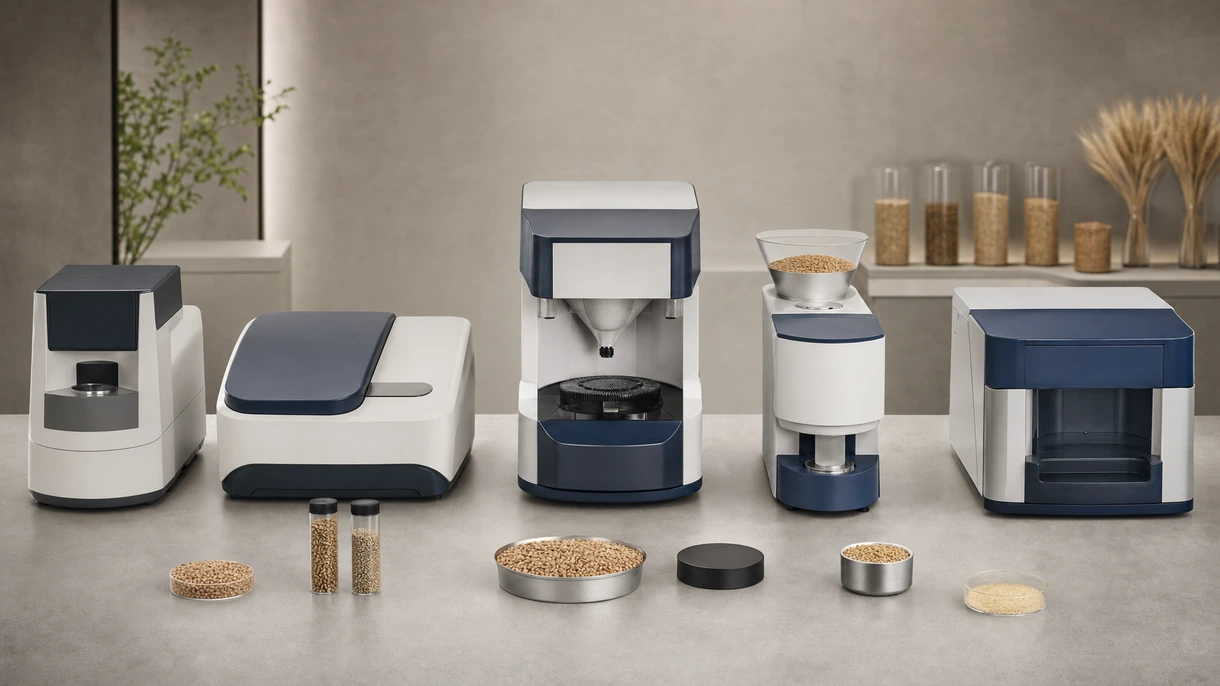
4 Criteria to choose your grain analyzer
Accurate Measurement and Precision
Units must meet NTEP or PTB standards to ensure legal-for-trade accuracy and minimize financial losses during grain transactions.
High Analysis Throughput
High-speed processing reduces truck queue times at elevators and allows for efficient real-time decision making during intensive harvest periods.
Data Connectivity and Integration
Modern devices must sync with farm management software via API to provide seamless traceability and quality mapping for buyers.
Environmental and Rugged Durability
Robust IP-rated housings protect sensitive internal optics from dust and temperature extremes common in on-farm or elevator environments.
Available technologies and advantages
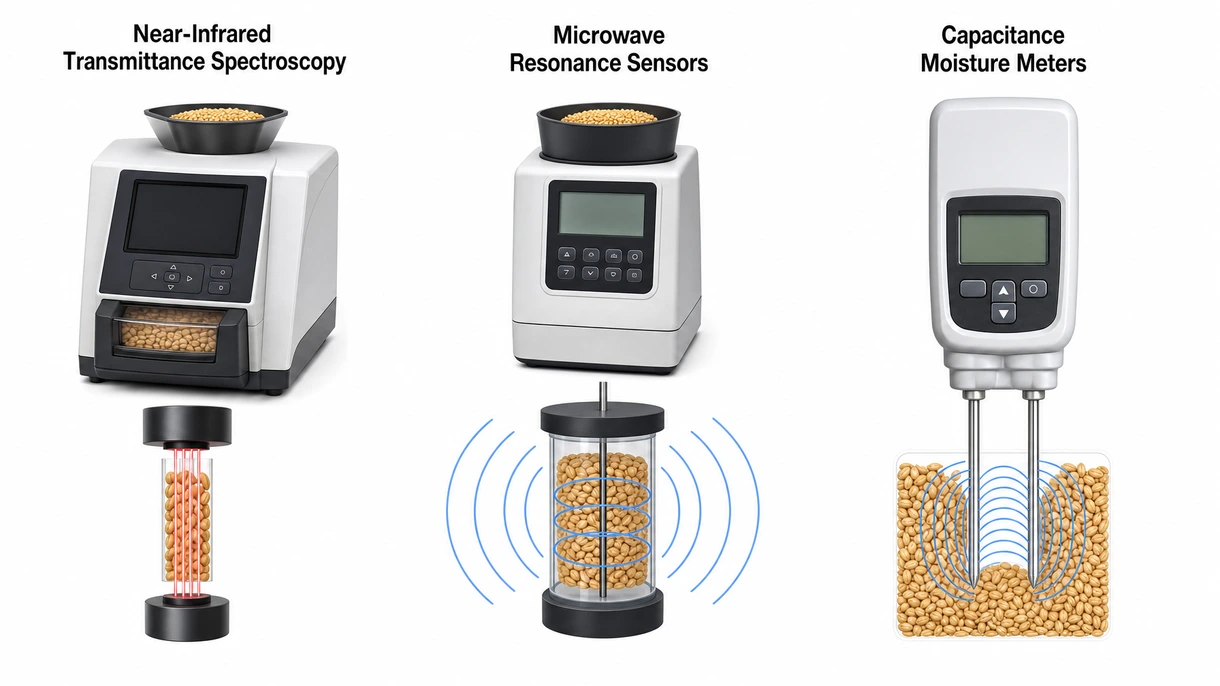
Near-Infrared Transmittance Spectroscopy
Whole grain NIR delivers fast multi-parameter analysis but requires high initial investment. It excels in accuracy for protein yet demands complex seasonal calibrations to maintain precision.
Microwave Resonance Sensors
These sensors provide deep moisture penetration unaffected by surface dust or kernel size variations. They offer extreme durability but cannot measure chemical constituents like protein or oil.
Capacitance Moisture Meters
This affordable technology measures dielectric properties for quick moisture checks. It provides portability for field use but suffers from lower accuracy compared to spectroscopic methods.
6 expert tips
Prioritize NTEP certified units to ensure legal-for-trade transactions and avoid significant financial discrepancies during grain elevator deliveries.
Select models with automated temperature compensation to maintain measurement stability across fluctuating harvest climates and storage conditions.
Invest in devices featuring remote cloud diagnostics to reduce downtime and ensure constant calibration alignment with regional standards.
Choose modular sensing heads to allow for future upgrades as new grain varieties or quality parameters become relevant.
Evaluate the total cost of ownership including annual calibration fees rather than focusing solely on the initial hardware price.
Always verify the technical certification to ensure compliance with local building safety standards and long-term durability.
Innovations and Trends
Enable real-time protein mapping directly in the field for selective harvesting and immediate crop price optimization.
Automates the detection of fungal damage, improving grading accuracy beyond simple moisture and density testing.
Ensure secure transmission of crop quality metadata to blockchain-based agricultural supply chain management platforms for traceability.
Provide continuous live updates on storage conditions to prevent localized spoilage and reduce financial shrinkage.
*Prices are pre-tax. They exclude delivery charges and customs duties and do not include additional charges for installation or activation options. Prices are indicative only and may vary by country, with changes to the cost of raw materials and exchange rates.
About AgriExpo
AgriExpo is a marketplace that offers B2B players a complete experience, from product sourcing to purchase. AgriExpo is an entity of VirtualExpo Group.
Are you a buyer?
Are you a supplier?