
- Home page
- buying guide
- stationary mixing wagon
stationary mixing wagon
stationary mixing wagon: A technical guide
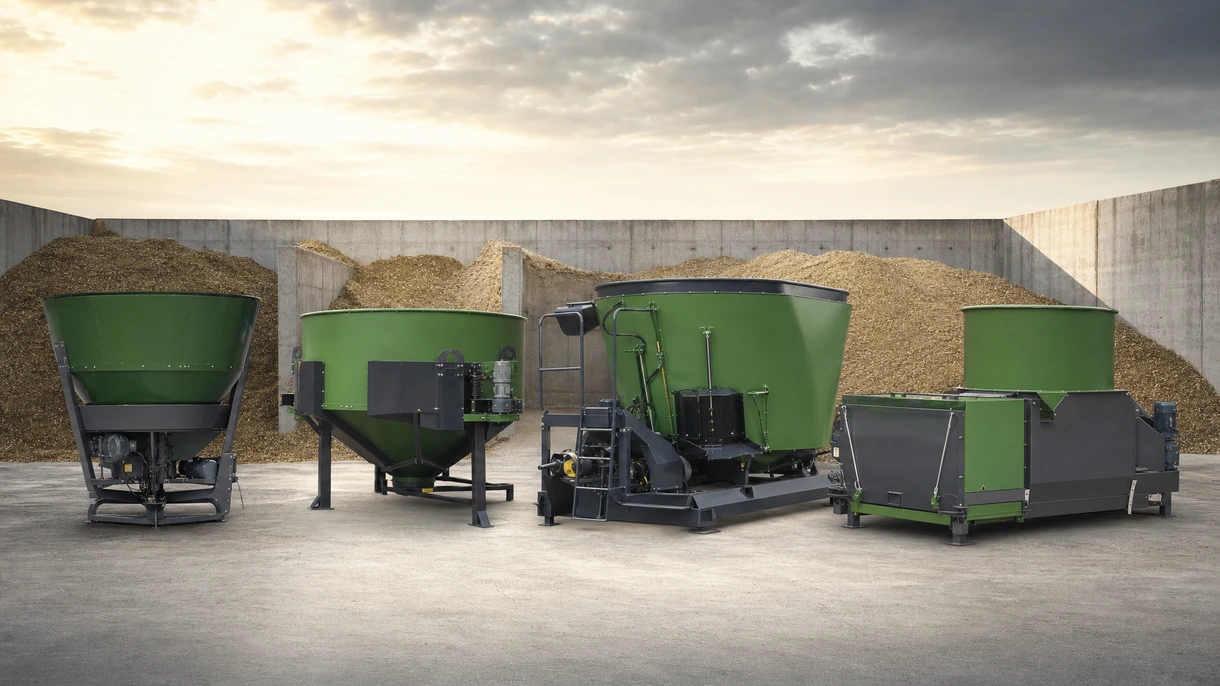
4 Criteria to choose your stationary mixing wagon
Mixing Auger Configuration
Mixing auger configuration determines ration homogeneity and fiber length preservation crucial for ruminant metabolic health and daily milk production.
Discharge Conveyor Versatility
Discharge conveyor systems must integrate seamlessly with existing barn infrastructure or automated feeding robots to minimize manual handling requirements.
Electric Drive Efficiency
Motor torque and frequency inverter capabilities dictate energy consumption and the ability to start under heavy load without failure.
Wear Plate Durability
High-grade stainless steel or chromium liners extend operational life against abrasive silage and mineral additives in high-frequency daily use.
Available technologies and advantages
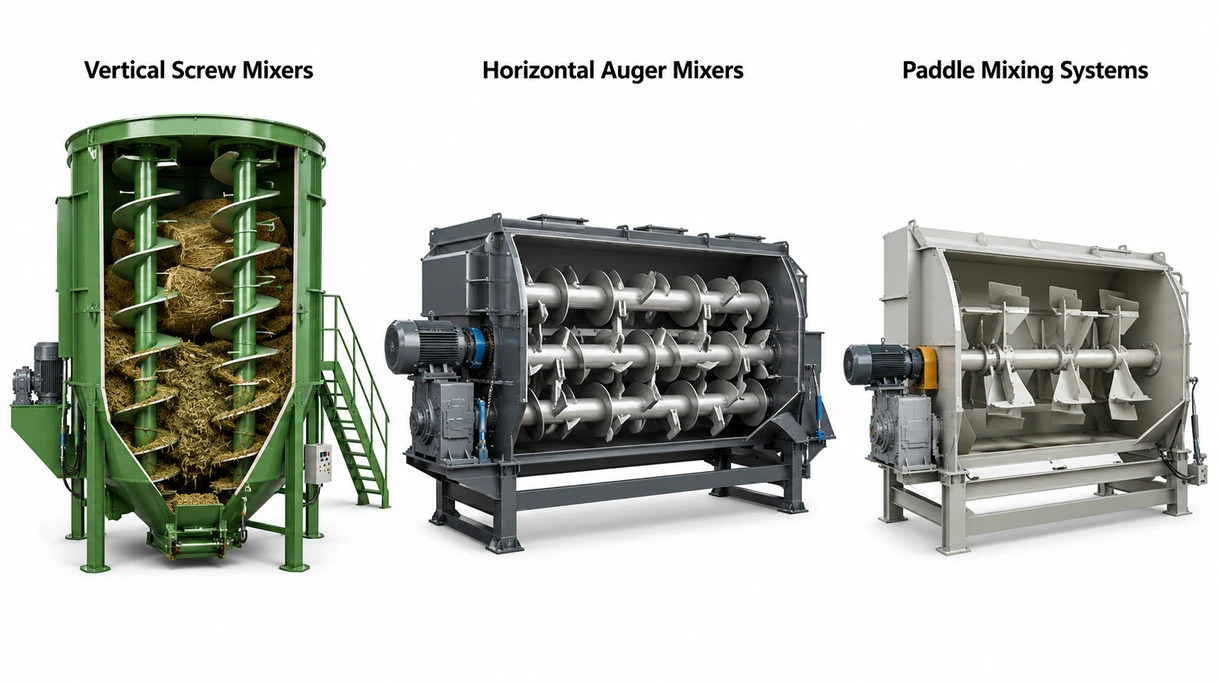
Vertical Screw Mixers
These units utilize gravity and large augers to process whole bales and long-fiber forage efficiently with low horsepower requirements. These systems provide excellent ration fluffing and lower maintenance requirements. Limitations involve slower processing of extremely dense materials.
Horizontal Auger Mixers
Featuring multiple interlocking screws, these systems provide intensive cutting and rapid mixing for concentrated, high-density dairy rations and supplements. These units ensure fast mixing cycles and superior homogeneity. Limitations involve potential over-processing of fibers if run excessively.
Paddle Mixing Systems
These machines use slow-rotating paddles to gently lift and fold ingredients, ensuring high homogeneity without damaging fragile feed components. These designs offer minimal friction and low power consumption. Limitations include difficulty processing un-chopped long forage.
6 expert tips
Prioritize heavy-duty planetary gearboxes to ensure consistent torque delivery when processing dense, high-moisture silage loads under continuous operation.
Evaluate the compatibility of weighing system data integration with existing farm management software to track feed efficiency accurately.
Select variable frequency drives to reduce peak electrical demand and allow soft-starting of the motor during heavy load conditions.
Inspect the structural integrity of the frame and mounting points to ensure long-term stability during intensive daily mixing cycles.
Choose models with reinforced stainless steel liners to prevent premature corrosion from acidic silage components and abrasive mineral additives.
Always verify the technical certification to ensure compliance with local building safety standards and long-term durability.
Innovations and Trends
NIR sensors integrated into mixing tubs provide real-time dry matter analysis to adjust rations automatically for moisture variations.
Automated lubrication systems minimize manual maintenance requirements and extend the service life of critical drivetrain components and bearings.
Integration with autonomous feed pushers creates a fully closed-loop feeding system reducing labor costs and optimizing animal intake.
Advanced energy recovery systems capture braking force from electric motors to improve overall facility power efficiency and sustainability.
*Prices are pre-tax. They exclude delivery charges and customs duties and do not include additional charges for installation or activation options. Prices are indicative only and may vary by country, with changes to the cost of raw materials and exchange rates.
About AgriExpo
AgriExpo is a marketplace that offers B2B players a complete experience, from product sourcing to purchase. AgriExpo is an entity of VirtualExpo Group.
Are you a buyer?
Are you a supplier?