
- Home page
- buying guide
- wood chipper
wood chipper
wood chipper: A technical guide
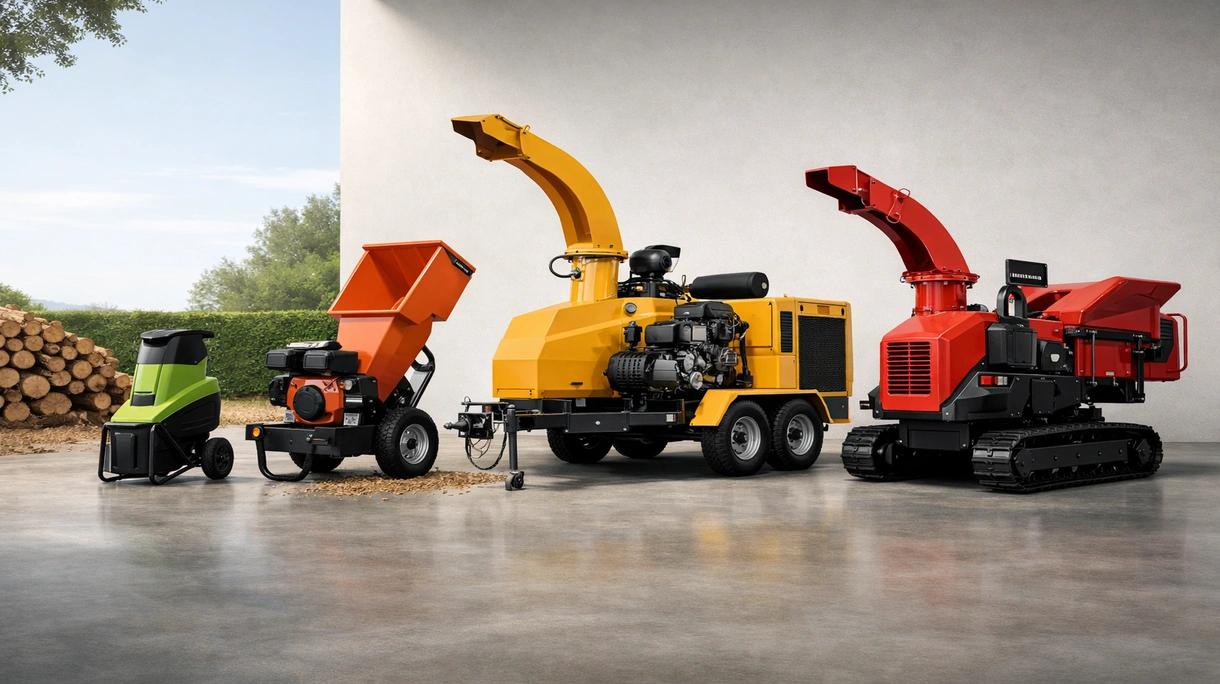
4 Criteria to choose your wood chipper
Maximum processed diameter
Determines volume capacity and suitability for forestry clearing or orchard pruning, directly impacting daily processing throughput and labor efficiency.
Power source compatibility
Ensures unit matches existing tractor power take off output or standalone diesel torque to maintain consistent blade speed.
Feed system mechanism
Hydraulic twin-roller systems reduce operator fatigue and manual handling risks while maintaining steady intake for uniform wood chip production.
Maintenance access efficiency
Rapid access to knives and anvils minimizes downtime during sharpening cycles, which is critical for maintaining peak fuel efficiency.
Available technologies and advantages
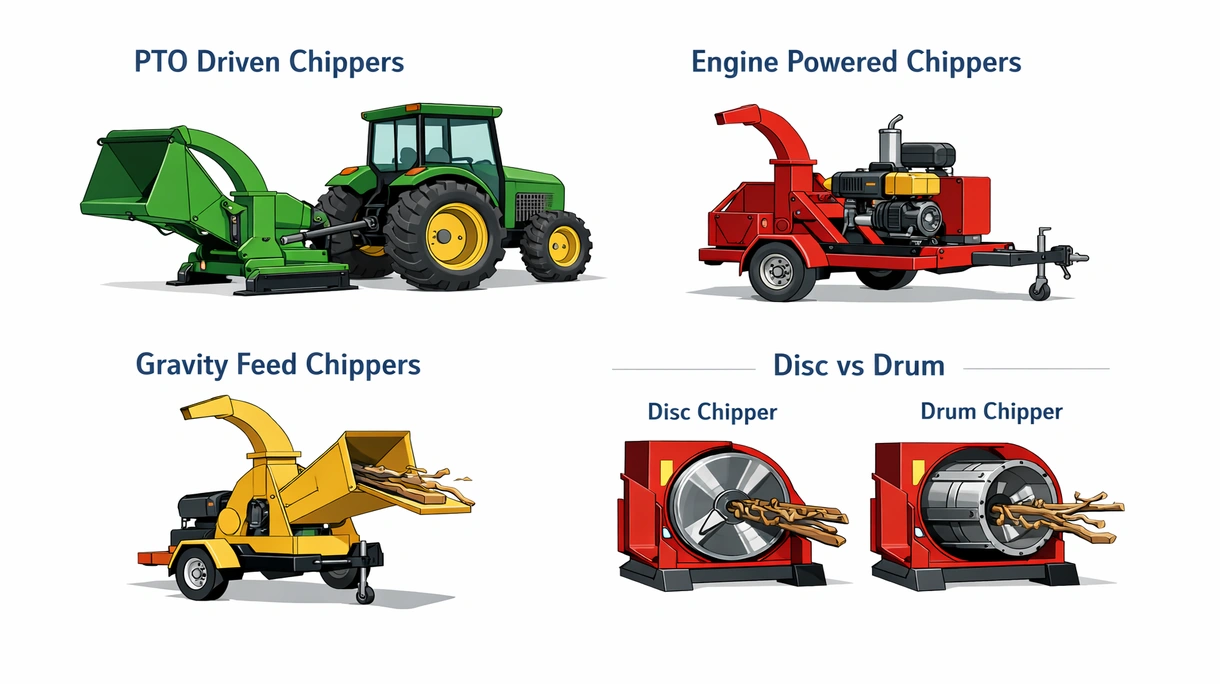
PTO Driven Chippers
These units leverage tractor power for high-torque processing in agricultural settings, utilizing the existing drivetrain for efficient energy transfer. Advantages include simplified maintenance. Limitations involve tractor dependency.
Engine Powered Chippers
Self-contained units offer maximum portability for remote forestry work, featuring dedicated internal combustion engines designed for consistent high-capacity throughput. Advantages include independent operation. Limitations involve increased engine upkeep.
Gravity Feed Chippers
Simple designs rely on the blade angle to pull material into the cutting chamber without mechanical assist. Advantages include lower costs. Limitations involve higher labor.
Disc Versus Drum
Disc chippers produce uniform chips for biomass boilers, while drum chippers handle wider irregular material using a large rotating cylinder. Advantages include quality. Limitations involve power requirements.
6 expert tips
Prioritize models with stress control systems to automatically manage feed rates and prevent engine stalling during heavy material intake.
Verify the hydraulic flow requirements against your tractor specifications to ensure the feed rollers operate without stalling under load.
Evaluate the flywheel weight and diameter as these factors directly dictate the kinetic energy available for processing dense hardwoods.
Select discharge chutes with three hundred sixty degree rotation to optimize chip loading into various transport trailers or stockpiles.
Calculate the total cost of ownership by including blade replacement intervals and fuel consumption per ton of processed biomass.
Always verify the technical certification to ensure compliance with local building safety standards and long-term durability.
Innovations and Trends
Sensors monitor engine load to predict blade wear, reducing unplanned maintenance and optimizing fuel consumption patterns.
Battery-powered units for orchards reduce noise and exhaust emissions while lowering operational energy costs compared to diesel.
Intelligent hydraulic systems adjust roller speed based on torque, maximizing throughput while protecting the drive train integrity.
New engine standards reduce particulate matter in forestry operations, ensuring long-term regulatory compliance across global markets.
*Prices are pre-tax. They exclude delivery charges and customs duties and do not include additional charges for installation or activation options. Prices are indicative only and may vary by country, with changes to the cost of raw materials and exchange rates.
About AgriExpo
AgriExpo is a marketplace that offers B2B players a complete experience, from product sourcing to purchase. AgriExpo is an entity of VirtualExpo Group.
Are you a buyer?
Are you a supplier?