
- Home page
- buying guide
- horizontal sawmill
horizontal sawmill
horizontal sawmill: A technical guide
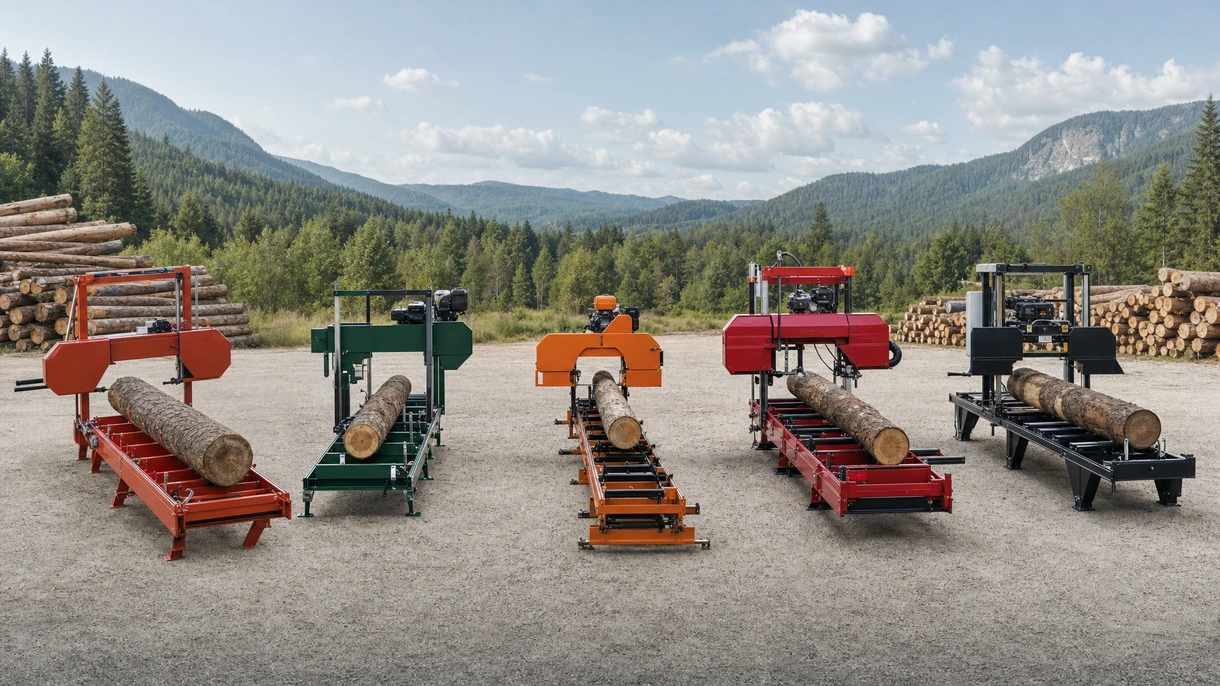
4 Criteria to choose your horizontal sawmill
Log Diameter Capacity
This determines the maximum size of timber your mill can handle, directly impacting the scale of your processing operations.
Narrow Kerf Efficiency
Thinner blades reduce sawdust waste and increase board yield per log, significantly improving the profitability of high-value hardwood milling.
Bed Extension Modularity
Scalable track systems allow operators to process extra-long beams for structural agricultural buildings while maintaining precise leveling and stability.
Hydraulic Handling Automation
Integrated loading arms and log turners minimize physical labor and reduce cycle times during high-volume commercial lumber production phases.
Available technologies and advantages
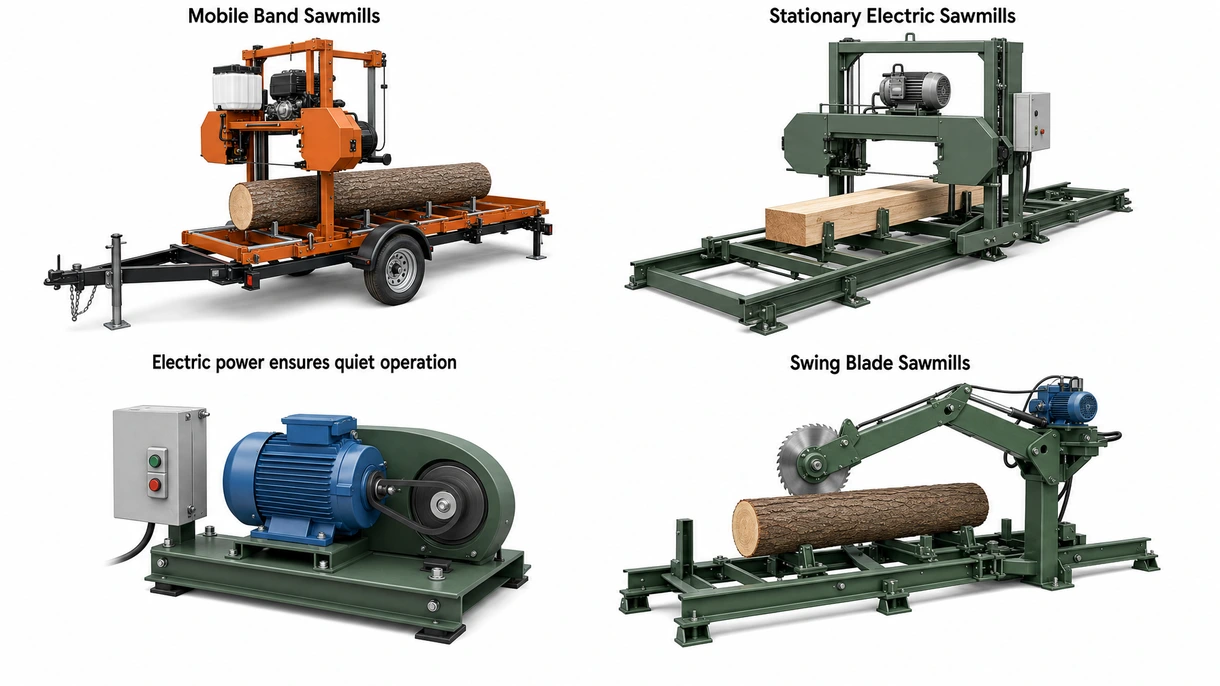
Mobile Band Sawmills
These units feature lightweight frames and road-ready trailers, allowing for onsite processing of storm-damaged timber or remote forestry logs effectively.
Operational Trade-offs
These machines offer unmatched portability and high timber yield, but they possess lower production speeds compared to heavy stationary units.
Stationary Electric Sawmills
High-torque electric motors provide consistent power for fixed workshop environments, reducing maintenance costs compared to internal combustion engines during long shifts.
Operational Trade-offs
Electric power ensures quiet operation and extreme longevity, however, it requires significant electrical infrastructure and lacks off-grid flexibility.
Swing Blade Sawmills
Circular blades rotate perpendicularly to cut boards without moving the log, excelling in handling oversized or irregular trunks in forests.
Operational Trade-offs
They facilitate rapid setup on uneven terrain and process huge logs, yet the wider kerf increases sawdust waste per board.
6 expert tips
Prioritize stainless steel bed rails to prevent rust and ensure smooth head travel during decades of intensive usage.
Select computer-controlled setworks to automate board thickness adjustments and eliminate human error during high-repetition commercial milling cycles.
Invest in high-performance blade sharpeners and setters to maintain cutting precision and extend the lifespan of expensive parts.
Verify engine horsepower ratings match the density of local hardwood species to prevent thermal overload and component failure.
Assess local dealership technician availability to minimize downtime when specialized hydraulic or electronic components require professional diagnostic repair.
Always verify the technical certification to ensure compliance with local building safety standards and long-term durability.
Innovations and Trends
Electronic setworks integration improves dimensional accuracy by automating blade positioning through programmable digital interfaces and high-precision sensor feedback.
Thin-kerf technology evolution reduces sawdust volume by significant margins, maximizing the output of expensive hardwood grades and lowering waste.
Hybrid power systems combine diesel engines with battery storage to optimize fuel consumption and reduce noise during operations.
Remote diagnostic connectivity allows manufacturers to troubleshoot sensor errors via satellite, drastically reducing repair downtime for remote forestry.
*Prices are pre-tax. They exclude delivery charges and customs duties and do not include additional charges for installation or activation options. Prices are indicative only and may vary by country, with changes to the cost of raw materials and exchange rates.
About AgriExpo
AgriExpo is a marketplace that offers B2B players a complete experience, from product sourcing to purchase. AgriExpo is an entity of VirtualExpo Group.
Are you a buyer?
Are you a supplier?