
- Home page
- buying guide
- mineral fertilizer
mineral fertilizer
mineral fertilizer: A technical guide
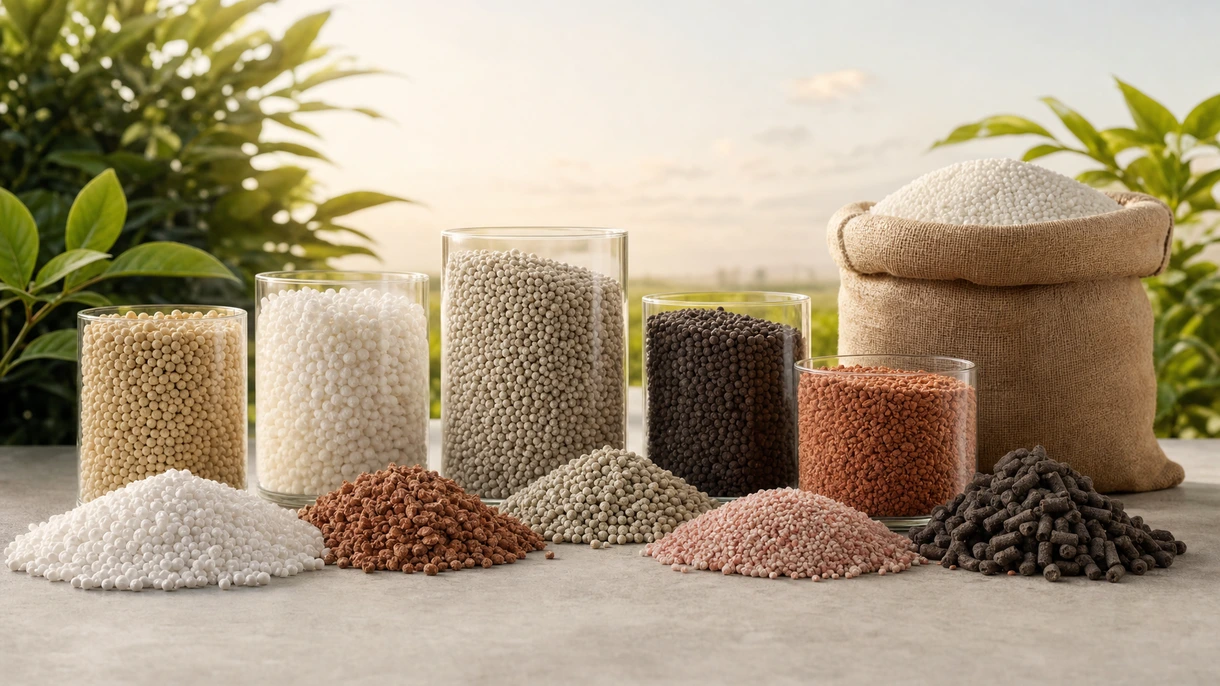
4 Criteria to choose your mineral fertilizer
Nutrient Concentration Density
High active ingredient percentages reduce logistical costs and storage volume requirements per hectare while improving overall operational field efficiency.
Granulometric Uniformity Index
Consistent particle size distribution ensures even centrifugal spreading patterns and prevents mechanical blockages during high-speed precision application cycles.
Hygroscopic Stability Factor
Low moisture absorption rates prevent caking during storage and ensure free-flowing characteristics in humid European or American coastal environments.
Chemical Solubility Rate
Rapid dissolution in soil moisture ensures immediate nutrient availability for crops during critical growth stages and maximizes yield potential.
Available technologies and advantages
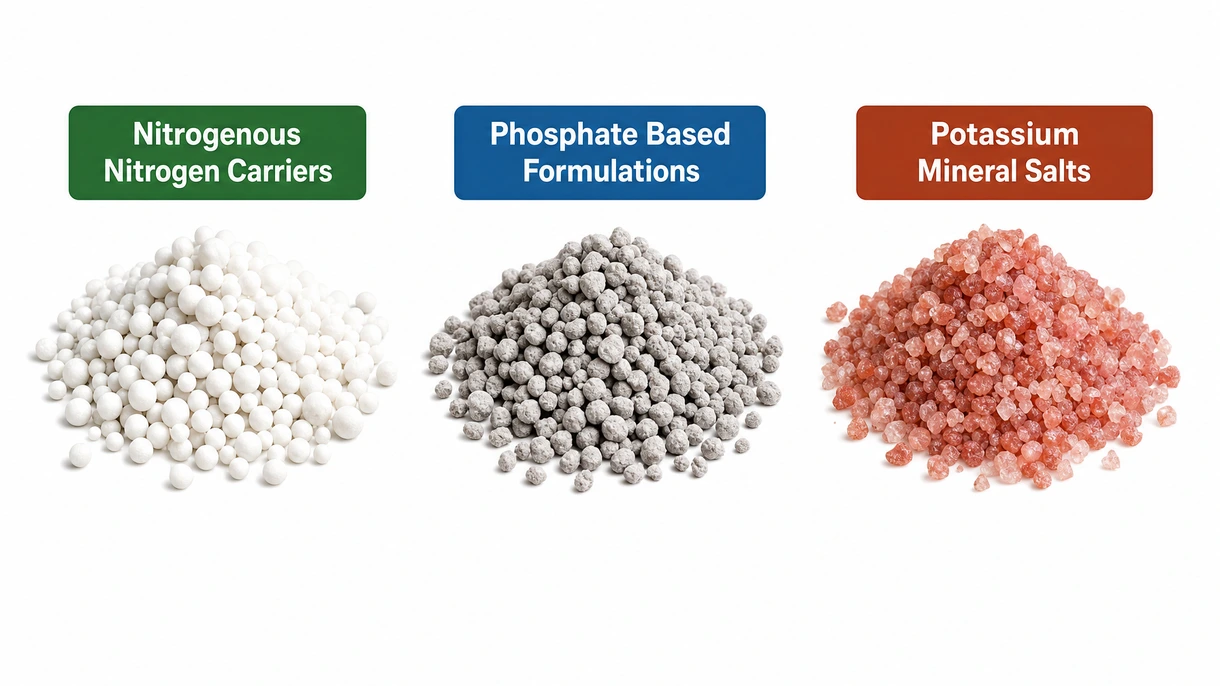
Nitrogenous Nitrogen Carriers
Technical comparison: These formulations prioritize rapid biomass growth through high nitrogen concentrations. They offer immediate plant response but face high volatilization risks and strict environmental regulations.
Phosphate Based Formulations
Technical comparison: Concentrated phosphorus sources drive critical early root development via high solubility. They provide essential starter effects but require precise placement to avoid soil fixation.
Potassium Mineral Salts
Technical comparison: Muriate and sulfate of potash deliver essential cation balance for crop stress resistance. While Muriate is cost-effective, sulfate offers lower salinity and essential sulfur.
6 expert tips
Order bulk volumes during the off-season to secure significantly lower price points and ensure timely delivery for spring.
Conduct comprehensive soil tests annually to determine precise nutrient requirements and avoid expensive over-application of unnecessary chemical mineral components.
Prioritize high-crushing strength granules to minimize dust formation and ensure consistent ballistic performance across wide-span pneumatic spreading equipment.
Integrate variable rate application maps based on satellite data to optimize fertilizer distribution across heterogenous field zones efficiently.
Verify the physical bulk density of every batch to calibrate spreading machinery accurately and prevent significant application rate errors.
Select local suppliers with reliable logistics networks to minimize transport delays and reduce the carbon footprint of fertilizer delivery.
Always verify the technical certification to ensure compliance with local building safety standards and long-term durability.
Innovations and Trends
Biodegradable coatings regulate nutrient release over months, reducing leaching risks and improving overall nitrogen utilization efficiency.
Chemical additives stabilize nitrogen on the soil surface, preventing gaseous ammonia loss and meeting strict environmental regulations.
Infusing mineral granules with beneficial microbes enhances root uptake capacity and improves soil health while maintaining productivity.
Manufacturing nitrogen fertilizers using renewable energy reduces carbon intensity to meet evolving global sustainability targets effectively.
*Prices are pre-tax. They exclude delivery charges and customs duties and do not include additional charges for installation or activation options. Prices are indicative only and may vary by country, with changes to the cost of raw materials and exchange rates.
About AgriExpo
AgriExpo is a marketplace that offers B2B players a complete experience, from product sourcing to purchase. AgriExpo is an entity of VirtualExpo Group.
Are you a buyer?
Are you a supplier?