
- Home page
- buying guide
- spring tine field cultivator
spring tine field cultivator
spring tine field cultivator: A technical guide
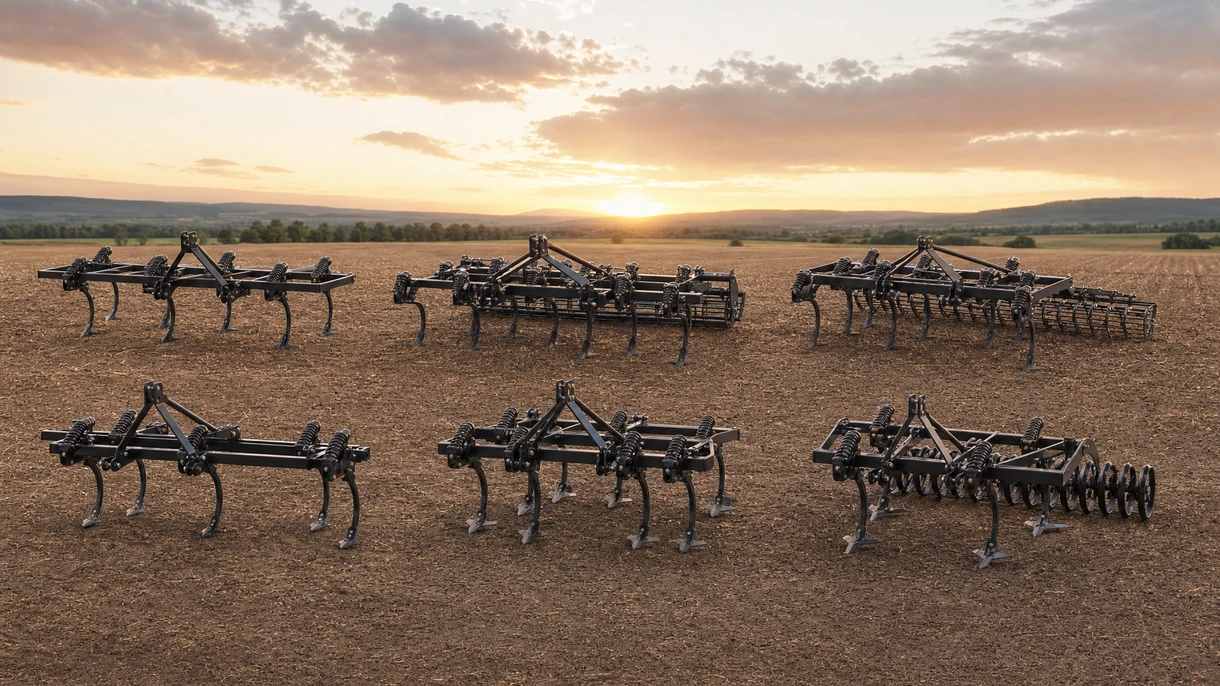
4 Criteria to choose your spring tine field cultivator
Frame structural integrity
High-grade steel construction ensures fatigue resistance during high-speed secondary tillage in demanding stony or compacted North American soil conditions.
Tine vibration frequency
Optimal oscillation patterns enhance soil shattering and residue mixing while preventing clogging in heavy European green cover crop residues.
Depth control precision
Synchronized hydraulic leveling systems maintain consistent seedbed depth across wide working widths to ensure uniform germination and crop emergence.
Points wear resistance
Carbide-tipped or hardened steel shares reduce maintenance downtime and preserve soil penetration geometry throughout extensive seasonal multi-acre operations.
Available technologies and advantages
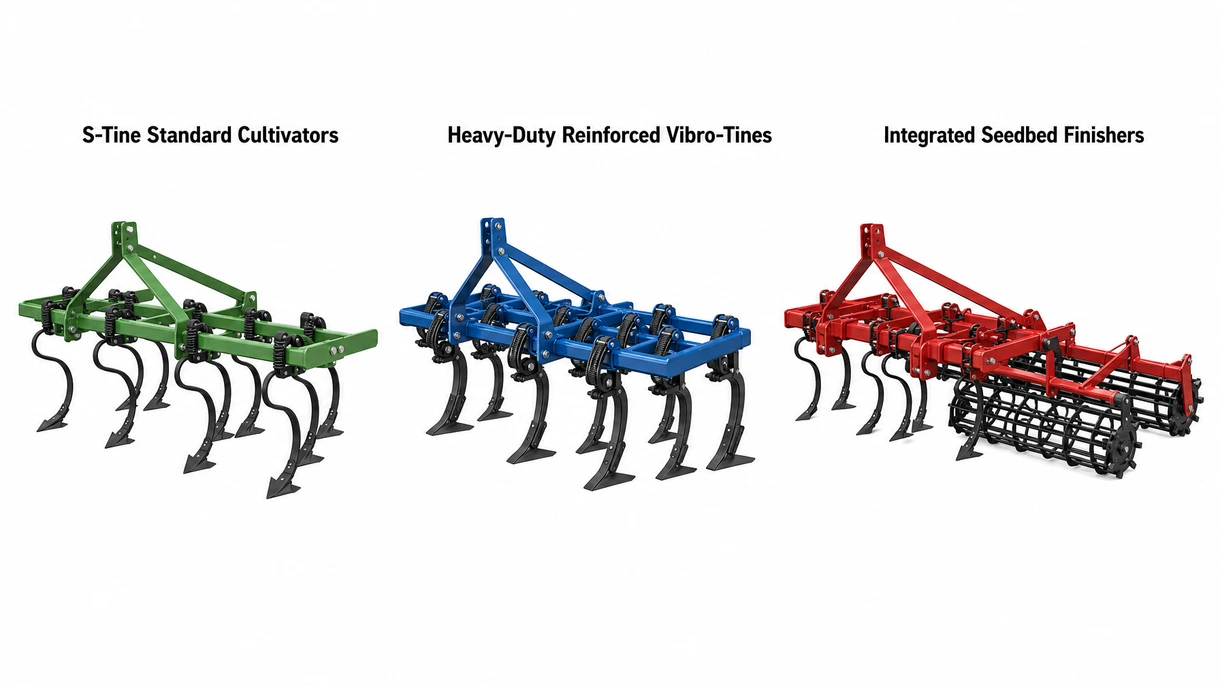
S-Tine Standard Cultivators
These units utilize curved springs for high-frequency vibration in lighter soils. They offer superior residue mixing but lack the penetration depth required for heavy clay tillage.
Heavy-Duty Reinforced Vibro-Tines
Larger coil springs handle higher trash volumes, bridging the gap between finishing and primary cultivation while maintaining higher ground speeds than traditional disc or rigid tools.
Integrated Seedbed Finishers
Combining spring tines with rolling baskets provides single-pass preparation. These machines optimize moisture retention more effectively than standalone configurations, though they increase total tractor draft requirements.
6 expert tips
Prioritize high-clearance frames to prevent residue plugging and maintain high-speed operation during critical spring windows for maximum seasonal efficiency.
Select hydraulic self-leveling hitch systems to ensure uniform tine penetration depth across the entire working width of the machine.
Evaluate the availability of locally sourced replacement wear parts to minimize operational downtime during time-sensitive secondary tillage activities.
Calculate the tractor horsepower per meter requirements to match tool width with existing fleet capacity for fuel optimization.
Opt for carbide-coated tine points to extend component longevity and reduce the frequency of mid-season maintenance in abrasive soils.
Always verify the technical certification to ensure compliance with local building safety standards and long-term durability.
Innovations and Trends
Systems utilize ultrasonic sensors to adjust frame height instantly, ensuring seedbed uniformity across varying soil densities.
Integrates IoT sensors into tine brackets to alert operators before component failure reduces soil engagement quality.
Alloys increase tine flexibility and lifespan, significantly reducing the carbon footprint per hectare of cultivated land.
Automatically lifts specific tine gangs to prevent overlap in irregular fields, optimizing fuel and reducing tractor wear.
*Prices are pre-tax. They exclude delivery charges and customs duties and do not include additional charges for installation or activation options. Prices are indicative only and may vary by country, with changes to the cost of raw materials and exchange rates.
About AgriExpo
AgriExpo is a marketplace that offers B2B players a complete experience, from product sourcing to purchase. AgriExpo is an entity of VirtualExpo Group.
Are you a buyer?
Are you a supplier?