
- Home page
- buying guide
- NPK fertilizer
NPK fertilizer
NPK fertilizer: A technical guide
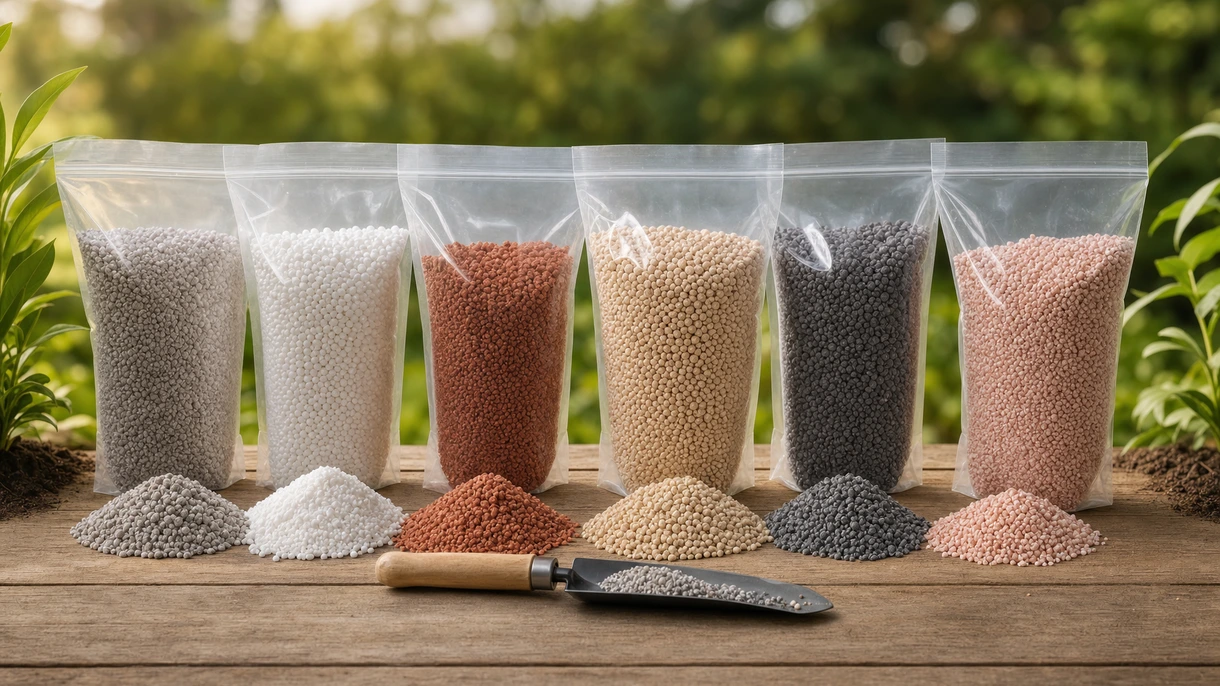
4 Criteria to choose your NPK fertilizer
Nutrient Release Profile
Precise release timing must match crop growth stages to prevent leaching while maximizing yield potential in variable European climates.
Granulometry and Hardness
Uniform particle size and crush strength ensure consistent spread patterns through high-capacity American broadcasting equipment without dust or clogging.
Solubility and Bioavailability
High water solubility ensures rapid nutrient uptake in arid soils, balancing immediate plant needs with long-term soil health sustainability.
Elemental Chemical Purity
Minimum heavy metal content and low chlorine levels are essential for meeting strict EU regulations and protecting high-value horticulture.
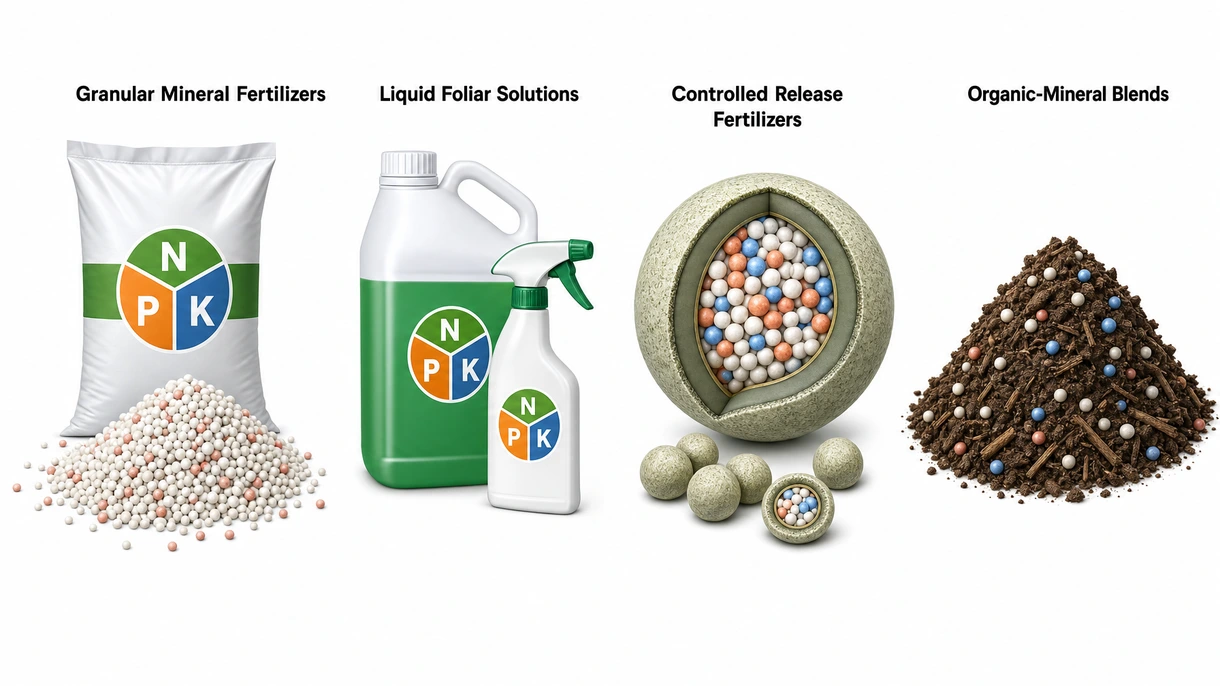
Available technologies and advantages
Granular Mineral Fertilizers
These high-density solids are designed for broad-acre application, offering easy handling and long-term storage stability but can suffer from uneven distribution if the physical blending is inconsistent.
Liquid Foliar Solutions
These fast-acting liquid formulations are applied directly to leaves, providing immediate correction of nutrient deficiencies while requiring frequent, highly calibrated applications to avoid leaf scorch.
Controlled Release Fertilizers
These polymer-coated granules release nutrients over several months, significantly reducing labor and environmental runoff while demanding a higher initial capital investment compared to standard blends.
Organic-Mineral Blends
These hybrid products combine synthetic NPK with organic matter to improve soil structure and microbial activity, though they often feature lower nutrient concentrations per unit.
6 expert tips
Always verify the technical certification to ensure compliance with local building safety standards and long-term durability of storage infrastructure.
Analyze specific soil test data to match the NPK ratio precisely with current field requirements and crop demands.
Evaluate the logistical cost per unit of active nutrient rather than the gross price per metric ton of material.
Select high-crush strength granules to minimize dust formation and ensure uniform distribution across wider pneumatic spreader boom widths.
Prioritize suppliers offering comprehensive batch traceability to comply with stringent European environmental documentation and farm auditing requirements.
Assess the compatibility of physical fertilizer characteristics with existing precision farming variable rate technology and GPS guidance systems.
Innovations and Trends
These allow for precise nutrient release while meeting new European REACH regulations regarding microplastic soil contamination.
These additives significantly reduce atmospheric ammonia losses and nitrate leaching, improving overall nitrogen use efficiency metrics.
This technology integrates with smart spreaders to adjust NPK application rates in real-time based on multispectral data.
These systems convert livestock waste into high-analysis balanced fertilizers, supporting circular economy goals and reducing chemical reliance.
*Prices are pre-tax. They exclude delivery charges and customs duties and do not include additional charges for installation or activation options. Prices are indicative only and may vary by country, with changes to the cost of raw materials and exchange rates.
About AgriExpo
AgriExpo is a marketplace that offers B2B players a complete experience, from product sourcing to purchase. AgriExpo is an entity of VirtualExpo Group.
Are you a buyer?
Are you a supplier?