
- Home page
- buying guide
- milking machine
milking machine
milking machine: A technical guide
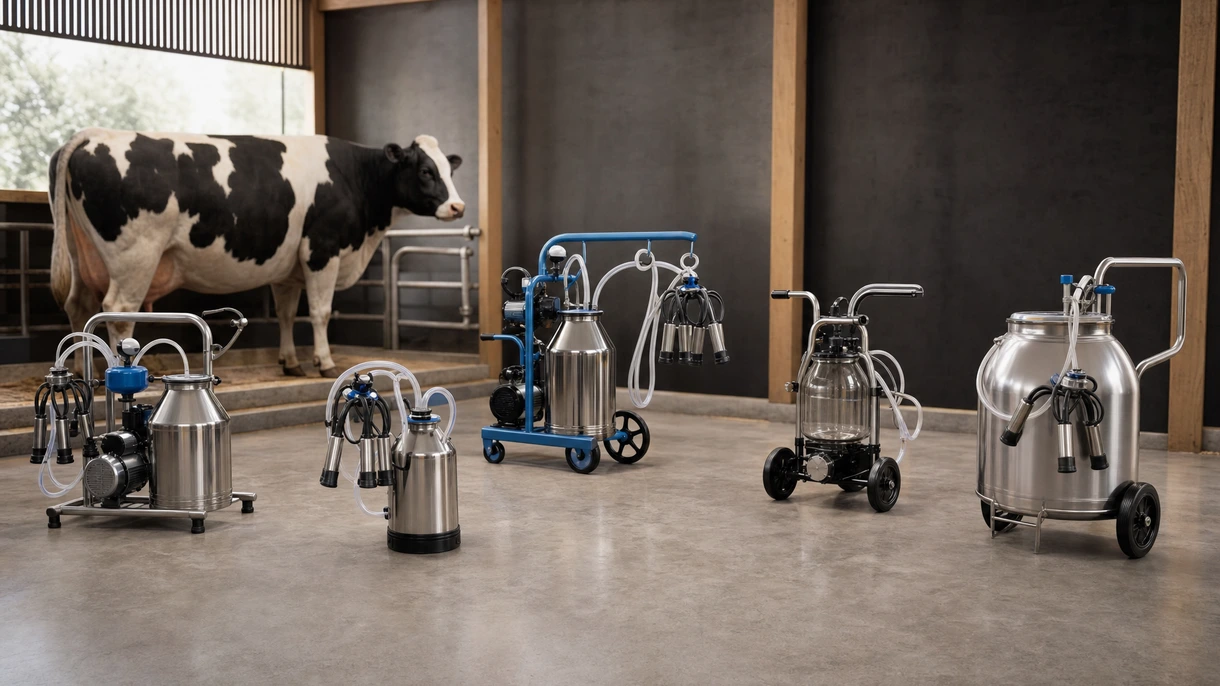
4 Criteria to choose your milking machine
Teat health maintenance
Precision vacuum regulation and pulsation ratios prevent hyperkeratosis while ensuring complete milk let-down to minimize clinical mastitis incidence rates.
System throughput capacity
Efficiency metrics must align with herd size to ensure milking cycles remain under specific timeframes for optimal labor management.
Technical service availability
Local dealership response times and spare part inventory determine operational uptime and prevent milk spoilage during mechanical failures.
Data integration capabilities
Advanced sensors provide real-time somatic cell counts and yield monitoring to facilitate informed culling and nutritional management decisions.
Available technologies and advantages
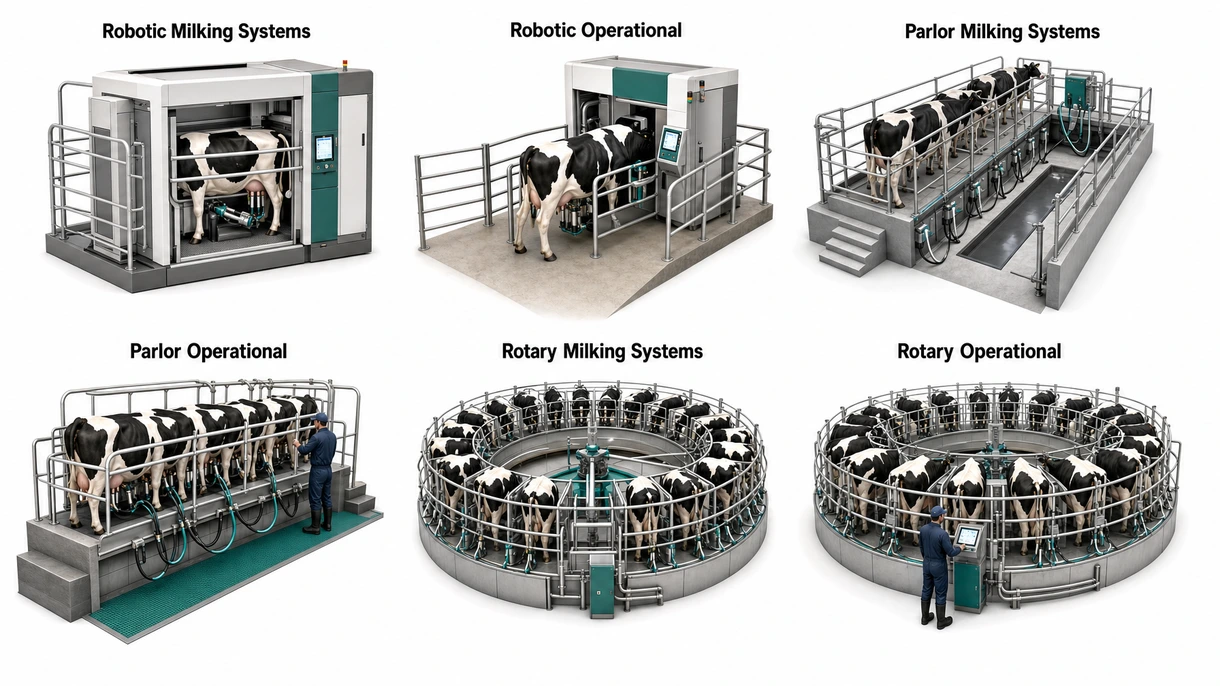
Robotic Milking Systems
These automated stations utilize optical sensors for teat attachment, operating continuously to facilitate voluntary cow traffic and individual cow management.
Robotic Operational Trade-offs
Benefits include reduced labor and increased yields, but require substantial capital investment and specific barn design modifications.
Parlor Milking Systems
These configurations utilize centralized vacuum pumps and manual attachment, processing large groups of cows in high-speed batches with consistent results.
Parlor Operational Trade-offs
These systems process many cows hourly with lower maintenance costs, though they demand consistent manual labor and routine.
Rotary Milking Systems
Moving platforms rotate cows past operators, allowing continuous loading and unloading for large-scale dairies requiring massive hourly throughput and efficiency.
Rotary Operational Trade-offs
Capacity for massive herds is offset by significant footprint requirements and high mechanical complexity for the rotating base.
6 expert tips
Conduct a comprehensive total cost of ownership analysis including energy consumption and scheduled maintenance for the next decade.
Prioritize systems with modular vacuum components to allow for seamless herd expansion without replacing the entire infrastructure immediately.
Evaluate the compatibility of milk cooling tanks with the pump flow rates to prevent fatty acid breakdown during transport.
Select stainless steel grades for all milk-contact surfaces to ensure compliance with strict European and American food safety regulations.
Integrate variable speed drives on vacuum pumps to reduce electricity costs and extend the lifespan of mechanical engine components.
Always verify the technical certification to ensure compliance with local building safety standards and long-term durability.
Innovations and Trends
Using inline conductivity sensors identifies subclinical infections, reducing clinical cases and lowering antibiotic usage across the herd.
Optimizes pulsation cycles based on milk flow rates to increase milking speed and improve teat health.
Provide renewable energy for parlors, lowering grid electricity consumption and reducing significant operational overhead costs.
Utilize engineered materials to reduce pathogen transfer between cows while improving the efficiency of teat stimulation.
*Prices are pre-tax. They exclude delivery charges and customs duties and do not include additional charges for installation or activation options. Prices are indicative only and may vary by country, with changes to the cost of raw materials and exchange rates.
About AgriExpo
AgriExpo is a marketplace that offers B2B players a complete experience, from product sourcing to purchase. AgriExpo is an entity of VirtualExpo Group.
Are you a buyer?
Are you a supplier?