
- Home page
- buying guide
- protein feed supplement
protein feed supplement
protein feed supplement: A technical guide
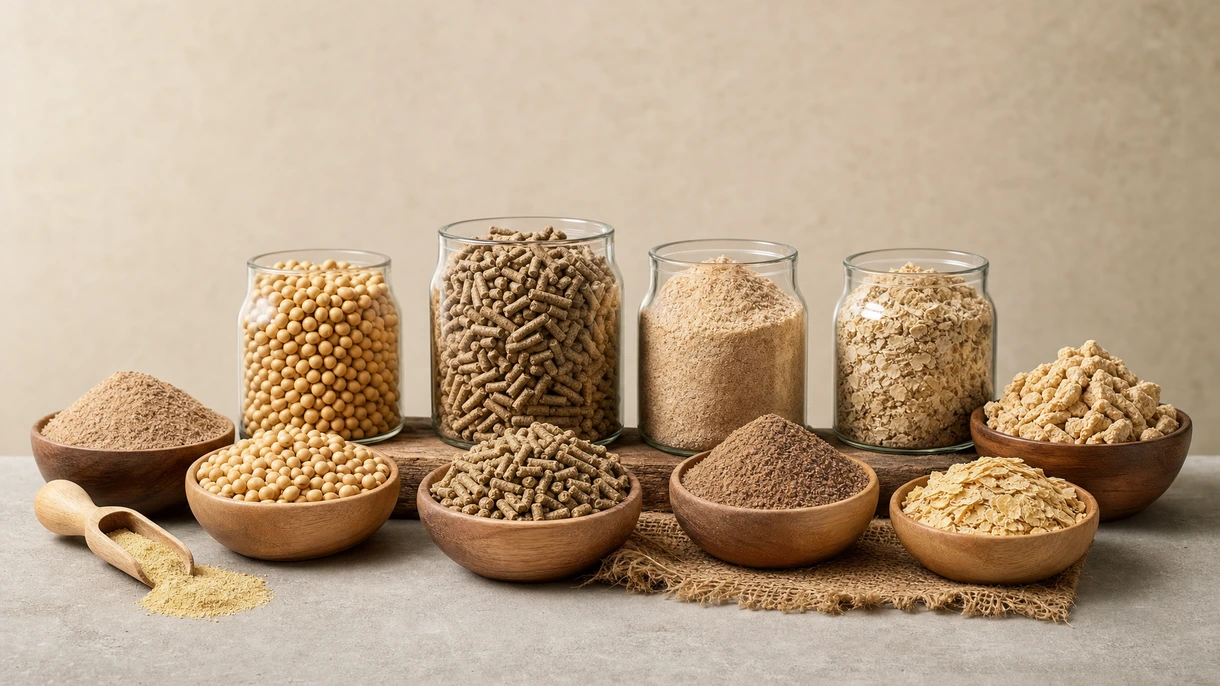
4 Criteria to choose your protein feed supplement
Amino Acid Bioavailability
Essential for feed conversion ratio; ensures muscle growth and milk production without nitrogen waste in manure management.
Rumen Bypass Efficiency
Critical for high-yield ruminants; prevents microbial degradation in the rumen to deliver concentrated nutrients directly to the abomasum.
Anti-Nutritional Factor Levels
Presence of trypsin inhibitors or glucosinolates can reduce weight gain and damage intestinal health in monogastric livestock populations.
Traceability and Certification
Essential for meeting European GMO-free standards or American organic protocols to maintain access to premium consumer retail markets.
Available technologies and advantages
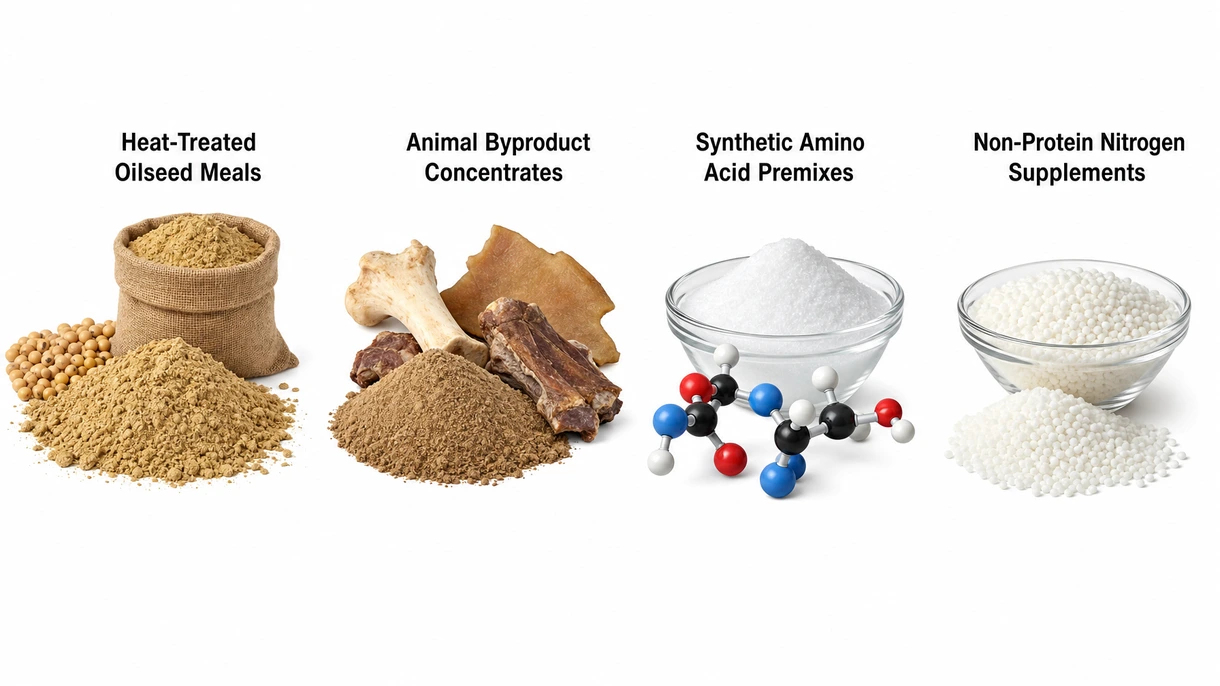
Heat-Treated Oilseed Meals
Soybean and rapeseed meals processed via extrusion or roasting. Higher bypass protein improves efficiency but requires precise temperature control. Balancing cost with intestinal digestibility remains the primary operational trade-off.
Animal Byproduct Concentrates
High-density blood or fish meals offering complete amino acid profiles. Excellent performance but restricted by strict European biosecurity regulations. They provide unmatched energy density but face significant consumer scrutiny and regulatory barriers.
Synthetic Amino Acid Premixes
Pure lysine or methionine added to low-protein rations. Minimizes nitrogen excretion and reduces overall feed costs despite high cost. These allow for precise formulation but require sophisticated micro-dosing equipment to ensure uniform distribution.
Non-Protein Nitrogen Supplements
Urea-based compounds for ruminant populations. Lowest cost per nitrogen unit but carries toxicity risks if mixing is not precise. This is economical for fiber-heavy diets but requires strict management to prevent poisoning.
6 expert tips
Calculate the cost per unit of digestible protein rather than the bulk price to ensure accurate nutritional financial planning.
Conduct batch-specific laboratory analysis to verify actual protein levels against the supplier technical data sheet before bulk unloading.
Evaluate the physical stability and flowability of the supplement to prevent bridge formation in automated pneumatic feeding systems.
Prioritize suppliers with regional storage facilities to mitigate supply chain disruptions and reduce per-ton transportation carbon footprints.
Coordinate protein intake levels with seasonal forage quality tests to avoid over-supplementation and unnecessary nitrogen loss in waste.
Always verify the technical certification to ensure compliance with local building safety standards and long-term durability.
Innovations and Trends
Replacing soy with black soldier fly larvae reduces land use and meets emerging European circular economy feed regulations.
Lab-grown proteins offer highly targeted amino acid profiles that optimize swine growth while significantly lowering methane emissions.
Real-time software adjusts supplement inclusions based on sensor-tracked animal performance, improving feed efficiency by significant annual percentages.
Sustainable microalgae improve livestock fertility and immune response, reducing the requirement for traditional fish-based protein sources.
*Prices are pre-tax. They exclude delivery charges and customs duties and do not include additional charges for installation or activation options. Prices are indicative only and may vary by country, with changes to the cost of raw materials and exchange rates.
About AgriExpo
AgriExpo is a marketplace that offers B2B players a complete experience, from product sourcing to purchase. AgriExpo is an entity of VirtualExpo Group.
Are you a buyer?
Are you a supplier?