
- Home page
- buying guide
- slurry separator
slurry separator
slurry separator: A technical guide
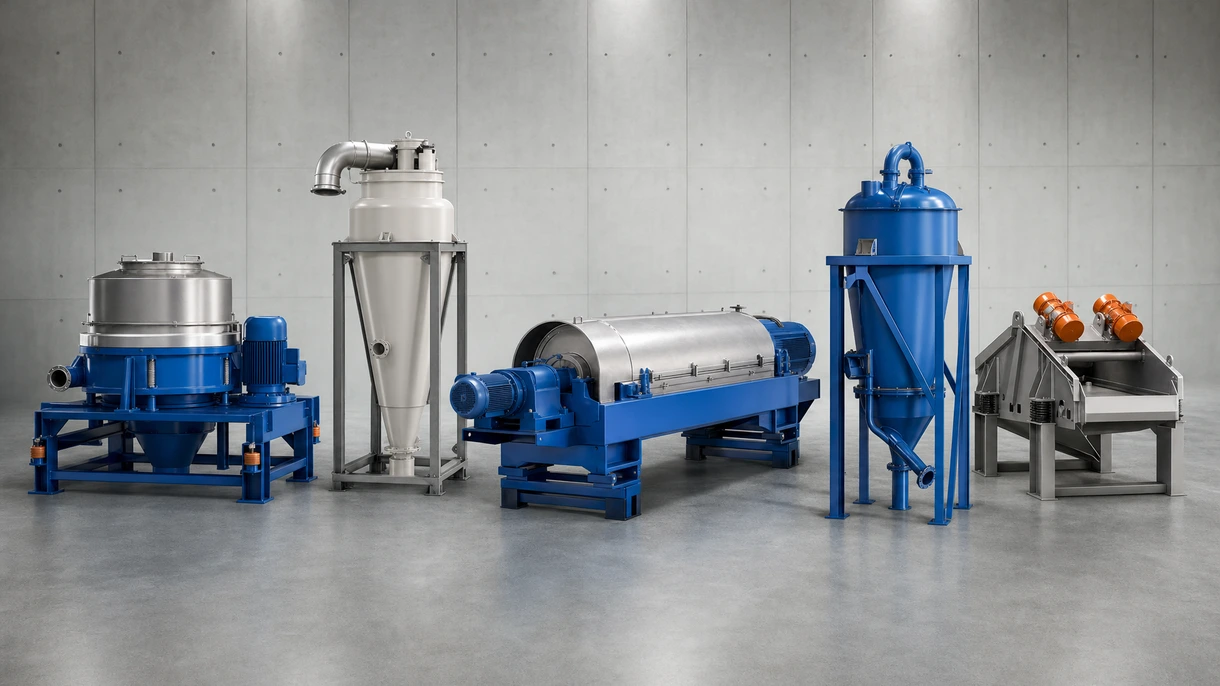
4 Criteria to choose your slurry separator
Dry matter percentage output
High dry matter content reduces storage volume requirements and facilitates handling for bedding or efficient export from the farm.
Throughput capacity per hour
Processing speeds must align with daily manure production and storage pit emptying schedules to prevent operational bottlenecks during seasons.
Maintenance and wear resistance
Hardened components and accessible screens determine long-term operational costs and minimize downtime during critical seasonal waste management pumping cycles.
Nutrient recovery efficiency
Effective solid-liquid separation allows for targeted phosphorus management and optimized nitrogen application rates across diverse crop production areas.
Available technologies and advantages
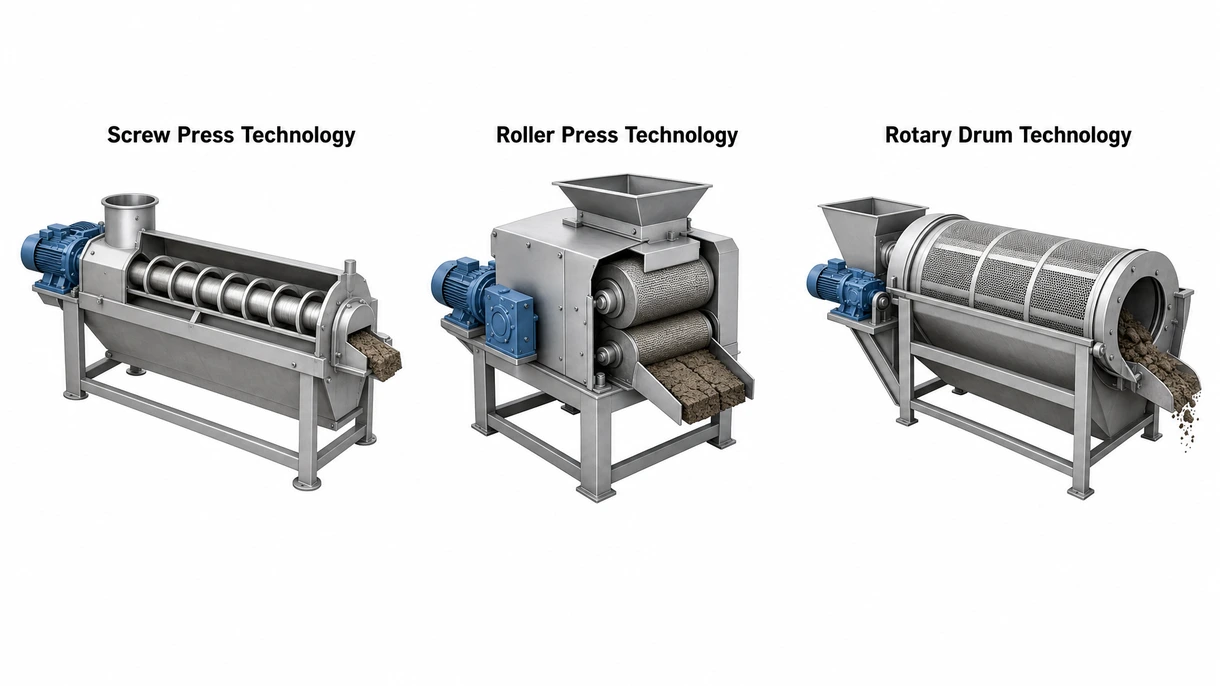
Screw Press Technology
Screw presses use mechanical pressure against a cylindrical screen to force liquid out while conveying solids through a restricted outlet during continuous operation.
Operational tradeoffs
These units provide superior dryness for bedding but require high power and frequent maintenance on the hardened screw flights and screens.
Roller Press Technology
Roller systems pass slurry between two perforated rollers that exert constant pressure to squeeze out moisture through the mesh during the rotation process.
Operational tradeoffs
Simple mechanical design reduces energy consumption and maintenance needs but the resulting solids are often too wet for immediate deep bedding applications.
Rotary Drum Technology
Rotary screens utilize gravity and centrifugal force to drive liquid through a rotating drum while solid particles remain inside for separate discharge.
Operational tradeoffs
High volume throughput makes them ideal for lagoon management although they fail to produce the dry matter levels required for solid transport.
6 expert tips
Coordinate separation capacity with existing storage lagoon volumes to maximize the logistical benefits of reduced liquid transport requirements.
Select stainless steel internal components to ensure corrosion resistance against aggressive chemicals found in fermented dairy or pig slurry.
Evaluate the total cost of ownership by including screen replacement frequency and energy consumption per cubic meter processed.
Prioritize modular units that allow for easy screen mesh size adjustments to accommodate seasonal changes in manure fiber content.
Assess local service technician availability to ensure rapid support and parts delivery for maintaining continuous livestock waste management.
Always verify the technical certification to ensure compliance with local building safety standards and long-term durability.
Innovations and Trends
Automated pressure regulation systems optimize dry matter output by adjusting screw torque based on real-time input consistency fluctuations.
Integration of NPK sensors enables real-time monitoring of nutrient concentrations in the liquid fraction for precision field application.
Advanced polymer-coated screens reduce friction and wear while improving the separation of fine particles in pig slurry applications.
Mobile plug-and-play separation units allow contractors to service multiple farm sites with reduced setup times and integrated telemetry.
*Prices are pre-tax. They exclude delivery charges and customs duties and do not include additional charges for installation or activation options. Prices are indicative only and may vary by country, with changes to the cost of raw materials and exchange rates.
About AgriExpo
AgriExpo is a marketplace that offers B2B players a complete experience, from product sourcing to purchase. AgriExpo is an entity of VirtualExpo Group.
Are you a buyer?
Are you a supplier?