
- Home page
- buying guide
- utility vehicle
utility vehicle
utility vehicle: A technical guide
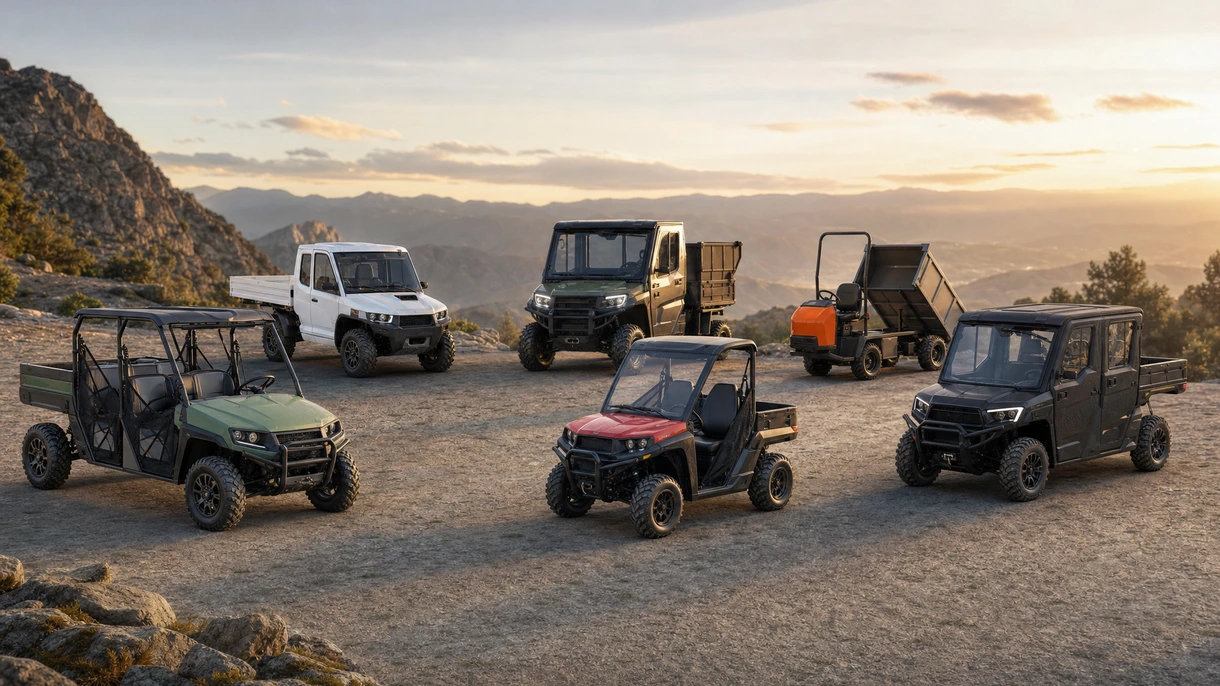
4 Criteria to choose your utility vehicle
Payload and Towing Capacity
Robust chassis and suspension ratings ensure safe transport of feed, fencing supplies, or chemical totes across uneven farm terrain.
Terrain Navigation Capabilities
High ground clearance and locking differentials are essential for traversing muddy European fields or rugged American cattle rangelands effectively.
Powertrain Reliability Efficiency
Diesel or high-torque electric motors provide the necessary low-end power for consistent performance during heavy-duty agricultural hauling tasks.
Maintenance Accessibility
Simplified access to filters, grease points, and drive belts reduces downtime during critical harvest or calving season windows.
Available technologies and advantages
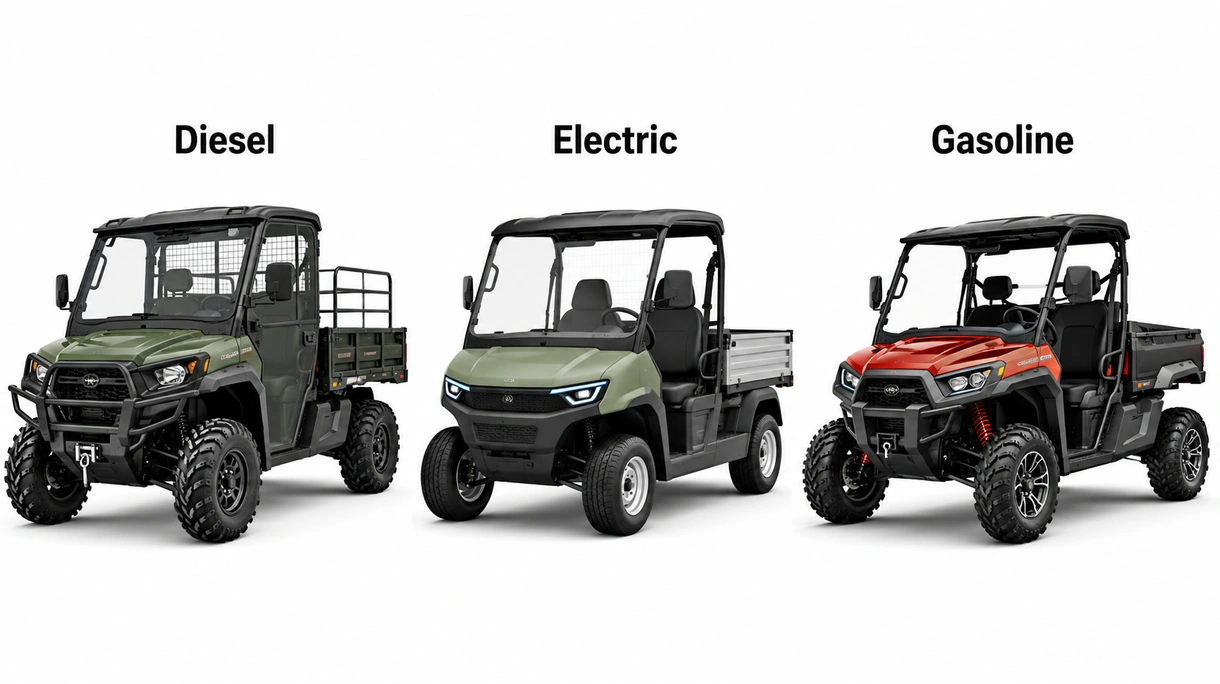
Diesel Technical Comparison
These units utilize high-torque compression-ignition engines paired with heavy-duty mechanical transmissions to deliver maximum durability and pulling power for demanding high-hour livestock operations.
Diesel Operational Tradeoffs
They offer superior engine longevity and fuel commonality with tractors but produce higher noise levels and vibration compared to modern gasoline or electric options.
Electric Technical Comparison
Lithium-ion battery architectures provide silent operation and instant torque delivery, which is specifically advantageous for indoor horticulture, sensitive livestock environments, and equestrian facility management.
Electric Operational Tradeoffs
These vehicles eliminate fuel expenses and tailpipe emissions but require significant charging infrastructure investment and face range limitations during peak seasonal workloads.
Gasoline Technical Comparison
Higher-revving gasoline power plants offer versatile performance and increased ground speeds for expansive agricultural estates requiring rapid transit between distant crop fields or pastures.
Gasoline Operational Tradeoffs
They provide excellent power-to-weight ratios for nimble maneuvering but consume more expensive fuel and generally possess shorter service lives than heavy-duty diesel platforms.
6 expert tips
Prioritize diesel engines for high-hour livestock operations to ensure fuel compatibility with existing tractor fleets and long-term durability.
Select models with wide-track widths and low centers of gravity to maximize operator safety when navigating steep hilltop pastures.
Evaluate cargo bed volume and hydraulic dump features to streamline daily tasks like mucking stalls or distributing bulk feed.
Opt for factory-installed brush guards and skid plates to protect vital components from damage in dense forestry or brush.
Assess local dealer service proximity and parts availability to minimize operational downtime during time-sensitive spring planting or harvest periods.
Always verify the technical certification to ensure compliance with local building safety standards and long-term durability.
Innovations and Trends
Autonomous navigation systems allow utility vehicles to follow workers or perform automated feed delivery, reducing manual labor intensity significantly.
Integrated telematics provide real-time location and maintenance data to fleet managers, optimizing asset utilization across large multi-site farming enterprises.
Advanced suspension systems with active load leveling maintain stability and ground clearance regardless of heavy payload weight on slopes.
Fully enclosed climate-controlled cabs with HEPA filtration protect operators from harmful airborne particulates during spraying or dusty harvest conditions.
*Prices are pre-tax. They exclude delivery charges and customs duties and do not include additional charges for installation or activation options. Prices are indicative only and may vary by country, with changes to the cost of raw materials and exchange rates.
About AgriExpo
AgriExpo is a marketplace that offers B2B players a complete experience, from product sourcing to purchase. AgriExpo is an entity of VirtualExpo Group.
Are you a buyer?
Are you a supplier?