
- Home page
- buying guide
- vertical mixing wagon
vertical mixing wagon
vertical mixing wagon: A technical guide
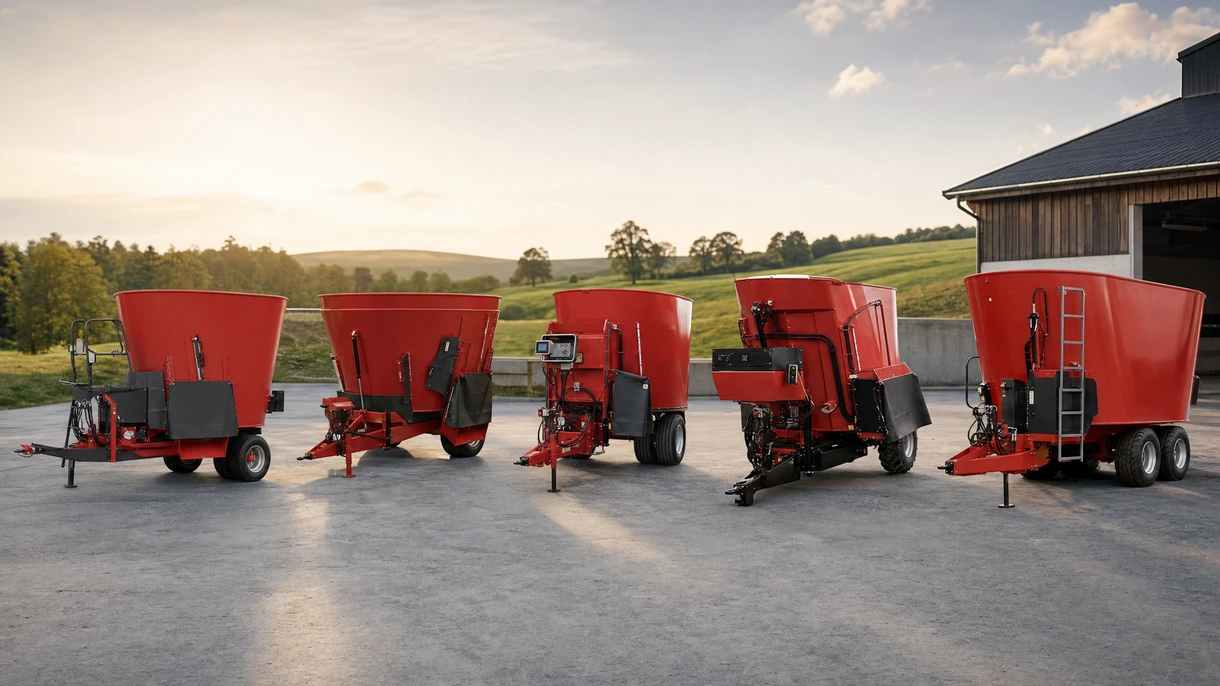
4 Criteria to choose your vertical mixing wagon
Auger design efficiency
Dual-auger setups optimize fiber cutting and mix homogeneity while reducing tractor PTO power requirements during heavy silage loading cycles.
Tub construction durability
High-grade stainless steel liners prevent acid corrosion from fermented forage, significantly extending the structural lifespan of the mixing chamber.
Precision weighing accuracy
Integrated load cells connected to cloud management software ensure precise TMR delivery to maximize dry matter intake and milk yield.
Discharge gate versatility
Multiple conveyor options allow for feeding into varied bunk heights or floor setups, ensuring compatibility with diverse farm infrastructures.
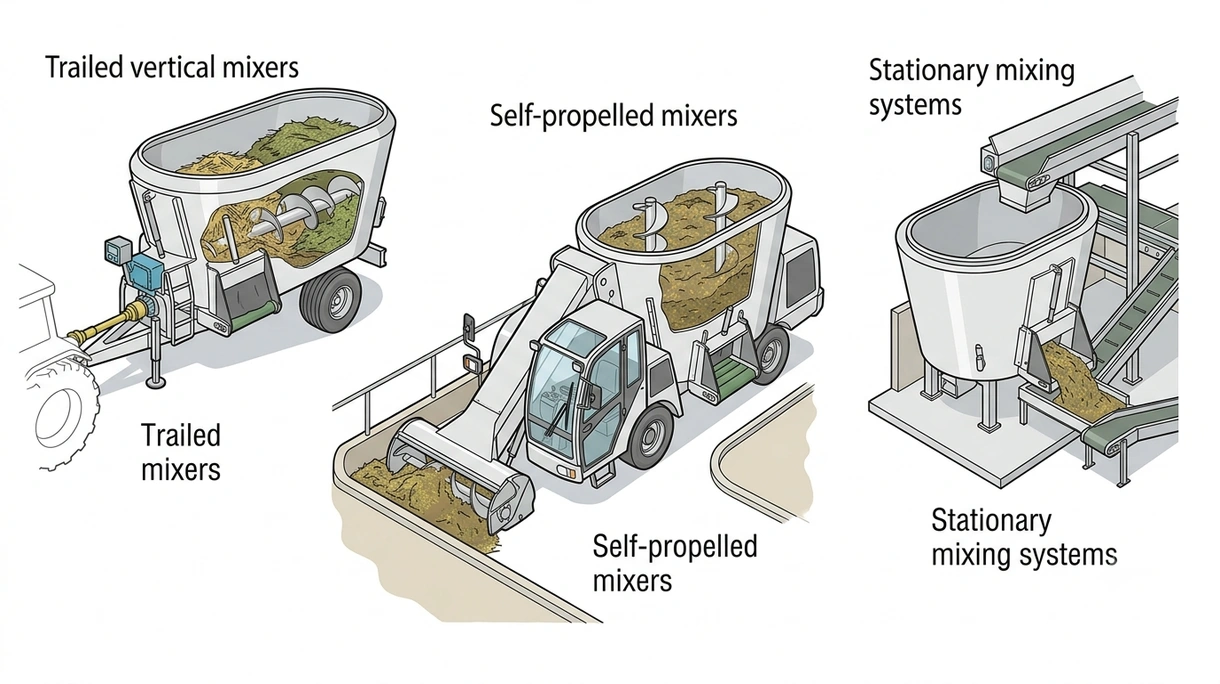
Available technologies and advantages
Trailed vertical mixers
utilize tractor PTO power to mix rations. They offer lower capital costs but require higher labor hours compared to self-propelled units for daily feeding.
Self-propelled mixers
combine loading and transport into one chassis. They provide superior maneuverability and labor efficiency but involve significant initial investment and higher specialized maintenance costs.
Stationary mixing systems
integrate with automated distribution belts. These maximize precision and reduce operational labor while limiting feeding flexibility to specific building infrastructures and fixed locations.
6 expert tips
Prioritize mixers with high-wear steel liners to reduce lifetime maintenance costs and prevent premature tub wall structural failure.
Invest in digital nutrition management interfaces to track feed costs and ensure precise ration delivery for improved milk conversion.
Select auger configurations based on specific forage fiber lengths to ensure optimal TMR homogeneity and prevent sorting by cattle.
Evaluate the tractor power takeoff requirements against existing fleet capacity to avoid additional high-capital machinery investment for feeding tasks.
Choose discharge conveyor positions that match the narrowest feed alleys and highest troughs within your specific farm building layout.
Always verify the technical certification to ensure compliance with local building safety standards and long-term durability.
Innovations and Trends
Reduce labor costs by providing constant fresh feed delivery which improves rumen health and increases livestock productivity.
Analyze moisture and nutrient content during the mixing process to automatically adjust rations for maximum nutritional accuracy.
Replace traditional hydraulic power to lower noise levels in barns and decrease carbon emissions for regulatory compliance.
Provides farm managers with detailed analytics on mixing duration and fuel usage to optimize overall operational profitability.
*Prices are pre-tax. They exclude delivery charges and customs duties and do not include additional charges for installation or activation options. Prices are indicative only and may vary by country, with changes to the cost of raw materials and exchange rates.
About AgriExpo
AgriExpo is a marketplace that offers B2B players a complete experience, from product sourcing to purchase. AgriExpo is an entity of VirtualExpo Group.
Are you a buyer?
Are you a supplier?