
- Home page
- buying guide
- milking liner
milking liner
milking liner: A technical guide
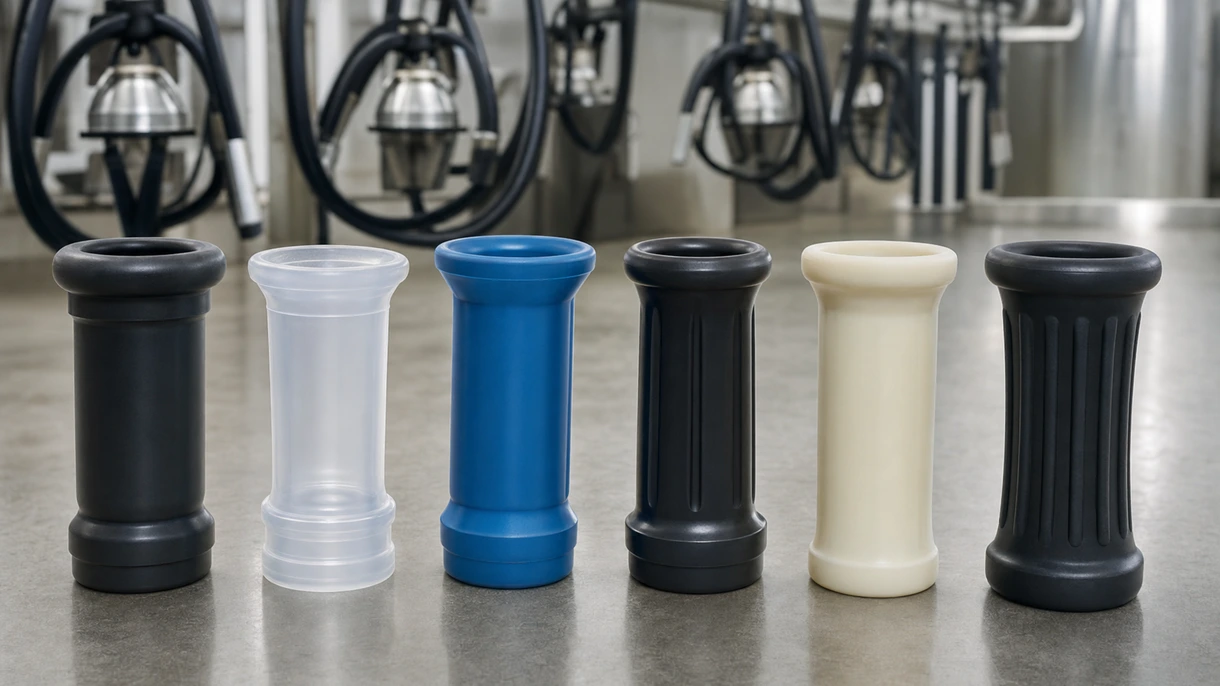
4 Criteria to choose your milking liner
Material Teat Compatibility
Must match teat size and shape to prevent slippage and ensure proper milk flow without tissue damage.
Vacuum Stability Performance
High-quality liners maintain consistent vacuum levels at the teat end to minimize the risk of mastitis infections.
Material Fatigue Resistance
Choosing liners with high elasticity ensures they withstand thousands of cycles before losing shape or vacuum integrity.
Regulatory Material Compliance
Liners must meet food-grade standards like FDA or EU regulations to prevent chemical leaching into the milk.
Available technologies and advantages
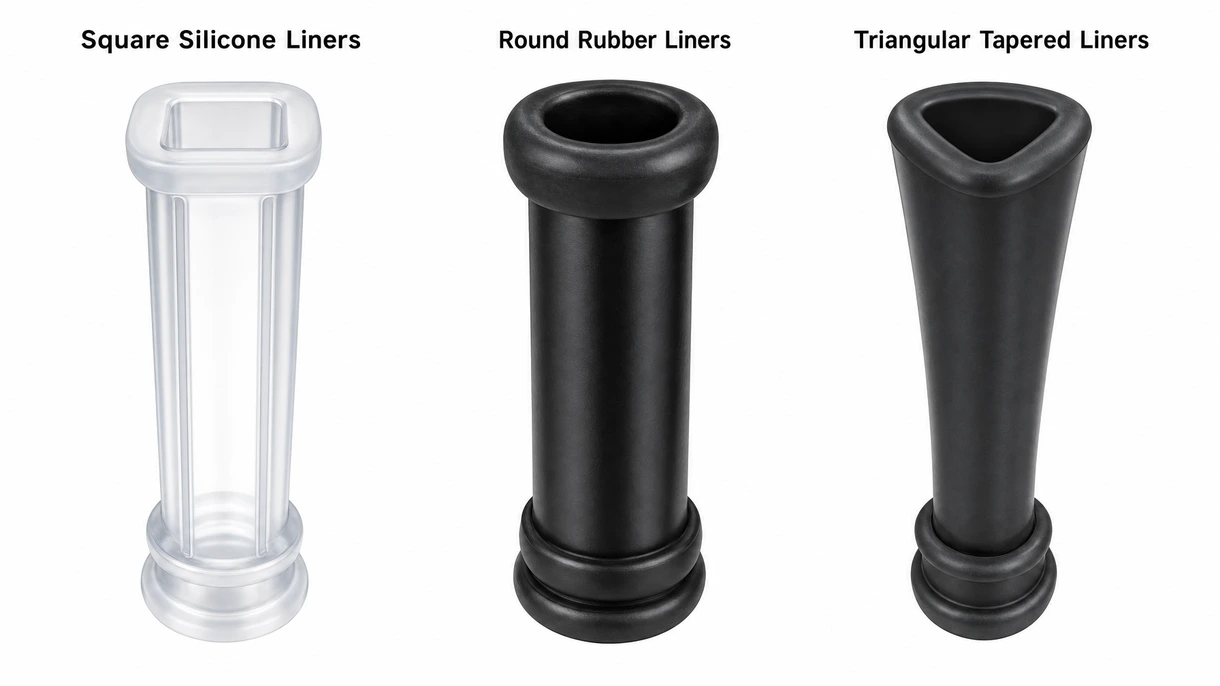
Square Silicone Liners
Silicone offers superior longevity and flexibility over rubber, reducing teat congestion. Advantages include durability and hygiene; however, higher costs and specific shell requirements represent significant operational trade-offs.
Round Rubber Liners
Standard rubber provides cost-effective grip on teats and broad compatibility with most clusters. While affordable, they degrade quickly and harbor bacteria, forcing frequent replacements to maintain vacuum and udder health.
Triangular Tapered Liners
This geometry applies uniform pressure to the teat, improving circulation and reducing hyperkeratosis. While enhancing udder health, they require precise vacuum management and specific hardware, increasing complexity compared to standard liners.
6 expert tips
Match liner bore size precisely to the average teat diameter of the herd to prevent slippage and congestion.
Replace rubber liners during every scheduled maintenance interval to avoid material fatigue and ensure consistent teat end vacuum.
Always verify the technical certification to ensure compliance with local building safety standards and long-term durability.
Select vented liners to improve milk transport away from the teat end and reduce cross-contamination risks during milking.
Purchase liners that are compatible with existing shells to avoid costly infrastructure upgrades and maintain equipment operational efficiency.
Analyze the chemical resistance of materials against standard parlor cleaning agents to prevent premature degradation and maintain hygiene.
Innovations and Trends
These liners reduce bacterial growth between wash cycles to lower clinical mastitis rates effectively.
These use controlled collapse patterns to optimize teat massage and significantly improve parlor throughput speeds.
These track individual quarter milk flow and conductivity to detect subclinical mastitis before visual symptoms appear.
These offer a sustainable alternative to silicone while maintaining high elasticity and chemical resistance for dairies.
*Prices are pre-tax. They exclude delivery charges and customs duties and do not include additional charges for installation or activation options. Prices are indicative only and may vary by country, with changes to the cost of raw materials and exchange rates.
About AgriExpo
AgriExpo is a marketplace that offers B2B players a complete experience, from product sourcing to purchase. AgriExpo is an entity of VirtualExpo Group.
Are you a buyer?
Are you a supplier?