


Farm building fan Sfor air circulation


Add to favorites
Compare this product
Characteristics
- Application
- farm building
- Function
- for air circulation
Description
Why Invest in Ventilation?
Short Term Benefits:
Long Term Benefits:
Maintained Consumption Levels
When experiencing heat stress a cow stops eating and 2-3 days later milk yield and quality declines.
Increased Milk Yield
Leading US dairy consultant Michael Wolf explained following analysis of the UK dairy industry, if a UK dairy farmer experiences a yield loss of 2.25kg a cow per day, over a 6 week period a 100 cow herd with a milk price of 0.25p experiences a loss of £2,350.00.
Reduced Levels of Lameness
The cow spends more time standing, to expel excess heat, which increases pressure on her hooves exacerbating the lameness burden.
High Genetic Merit Herd
Impacts of heat stress are not limited to the dry cow alone but the body temperature of her unborn calf also increases. This alters the calf’s metabolism and gene expression, resulting in smaller calves at birth and negative implications for the calf’s lifetime performance, and negatively impacting future generations of the herd.
High Conceptions Rates & Herd Fertility
Heat stress lowers reproductive performance in cows by increased internal temperatures depleting hormone regulation. This reduces oestrus intensity, decreasing embryo implantation and decreasing rates of embryonic death. In the same way, heat stress in male animals causes changes in sperm conditions further depleting the chances of reproductive success.
Increased Animal Longevity
Poor reproductive performance causes an increase in culling rates as well as reduced performance of dry cows in her subsequent lactation by causing setbacks in mammary cell development.
VIDEO
Catalogs
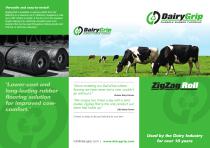
Dairy Grip
2 Pages
Other Wilson Agri products
Ventilation


Related Searches
- Air circulation fan
- Farm building fan
- Rubber flooring
- Rubber floor mat
- Mattress
- Cubicle mattress
- Rubber mattress
- Metal flooring
- Foam mattress
- Cow comfort cow mattress
- Durable cow mattress
- Waterproof cow mattress
- Dairy barn floor mat
- Anti-slip cow mattress
- Cow comfort floor mat
- Easy Cleaning cow mattress
- Dairy Housing cow mattress
- Steel flooring
- Cattle Bedding cow mattress
- Cattle Comfort cow mattress
*Prices are pre-tax. They exclude delivery charges and customs duties and do not include additional charges for installation or activation options. Prices are indicative only and may vary by country, with changes to the cost of raw materials and exchange rates.